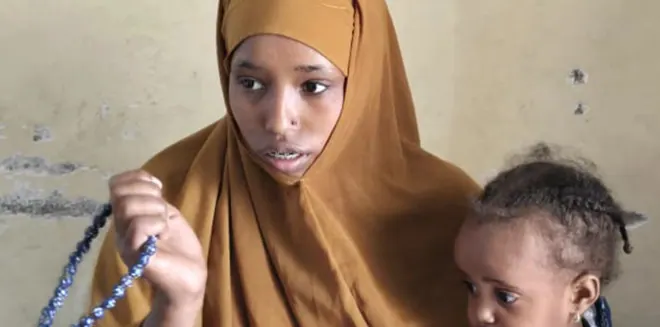
The Central Mother and Child Health Centre in Laas Caanood, Sool region, Somalia, has been serving families for nearly four decades. Assanti Abdi, a displaced woman of Ethiopian origin, has relied on the centre for her family's care, delivering all four of her children there and receiving vaccinations and medical treatment. However, severe funding shortfalls have pushed the facility closer to closure.
The centre's free services have been a lifeline for families with few other options, but services have become increasingly limited since last year. The World Health Organization reports that 380 health facilities either closed or operated at reduced capacity in 11 regions between January and June. The Laas Canood centre's predicament illustrates the health crisis in Somalia, with 18 medical staff working on a voluntary basis due to funding cuts.
In August alone, the centre treated 722 children, including 567 children under 5, and provided health services to over 450 pregnant and breastfeeding women. Despite the challenges, the facility continues to provide essential services, including vaccinations against preventable diseases. However, the centre's infrastructure was damaged during armed confrontations in 2023, and parts still require rehabilitation before operations can fully resume.
The centre's officer-in-charge, Maryam Abdinasir, emphasizes the need to restore damaged infrastructure, replenish medical supplies, and provide incentives to healthcare workers. Without these basic but essential needs, it becomes difficult to provide quality healthcare to the people who depend on the centre. If the facility fails, the consequences for mothers and children will be severe.
A nurse at the centre, Kowser Abdirashid, continues to work on a voluntary basis, but notes that the needs are greater than the resources available. The facility receives some vaccines through the authorities, but many other essential services face significant shortages. Any support that reaches the facility will directly help vulnerable mothers and children.
The possible closure of the centre comes as drought worsens needs across Sool and other northern regions, including Sanaag, Bari, Nugaal, and Mudug. Up to 1.9 million people in these areas are estimated to be acutely food insecure, with over 75 per cent of traditional water sources in Sool and nearby Sanaag having dried up. The drought has caused severe shortages of food, pasture, and water.
The humanitarian situation in Somalia is dire, with at least 115 mobile health units closing this year and 30 hospitals operating below capacity. The UN's Humanitarian Coordinator, George Conway, called for increased international support to sustain essential food, nutrition, and health services in underserved communities. The Somalia 2026 Humanitarian Needs and Response Plan was only 30.7 per cent funded as of September 15.
Key points
- The Central Mother and Child Health Centre in Laas Caanood faces closure due to funding shortages.
- 380 health facilities have closed or operated at reduced capacity in 11 regions of Somalia between January and June.
- 6.5 million people in Somalia face high levels of acute food insecurity, with 1.9 million children suffering from acute malnutrition.