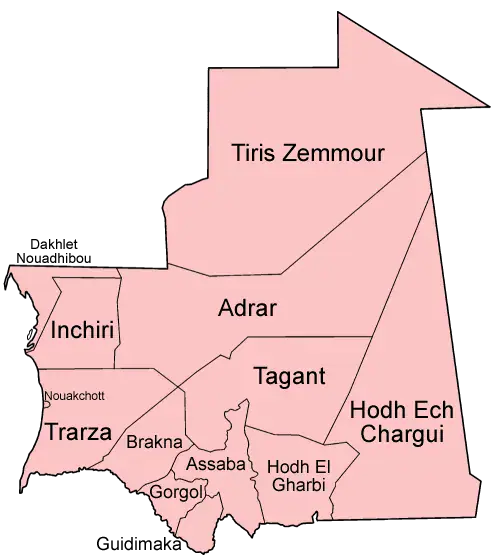
The Food and Agriculture Organization (FAO) has revealed that over 112,000 Malian refugees in Mauritania's Eastern Region, specifically in the Hodh Ech Chargui region, are facing severe food insecurity. According to the organization's latest update, this number represents a significant increase from the previous year. The FAO's analysis, based on the "Integrated Framework" adopted in the Sahel region, categorizes nearly 38,400 refugees as being in the emergency phase, which is the fourth stage of a five-level classification system.
The FAO's report highlights that the percentage of refugees classified as being in a crisis or worse phase has jumped from 18% in 2025 to 40% in 2026. This increase is disproportionate to the growth in the number of refugees, which has only risen by 16%. In 2025, approximately 44,000 refugees were estimated to be in this category. The situation is not limited to refugees, as around 12% of Mauritanian residents in the region also experienced severe food insecurity during the same period.
The FAO's assessment also reveals that, at the national level, over 500,000 people are facing a crisis or worse phase, which is a decrease from the approximately 590,000 reported in the previous year. This improvement is attributed to the good harvest of the 2025 crop season. In terms of market trends, the prices of imported wheat flour in August remained close to their previous levels, with some markets experiencing a 25% increase, while imported rice prices generally stabilized.
Mauritania is currently hosting around 305,000 refugees and asylum seekers, with nearly 290,000 residing in the Eastern Region, either in the Mbera camp or in villages and towns near the border with Mali. Mali has been experiencing escalating armed violence in recent years. The FAO's findings come at a time when humanitarian response funding in the Sahel region is declining, placing additional burdens on host communities and local authorities.
The situation in the Eastern Region is further complicated by the fact that the number of refugees and asylum seekers continues to grow. The region's infrastructure and resources are being stretched, and the local population is also facing challenges in accessing basic necessities like food and water. The Mauritanian government, along with international organizations, is working to address the crisis, but the situation remains dire.
The FAO's report emphasizes the need for sustained support to address the growing food insecurity in the region. The organization is working with local authorities and other stakeholders to provide assistance to those affected, but more needs to be done to mitigate the crisis. The situation is being closely monitored, and efforts are being made to ensure that the necessary aid reaches those who need it most.
The crisis in the Eastern Region has far-reaching implications, not only for the refugees and local population but also for the broader region. The Sahel region is already facing numerous challenges, including climate change, poverty, and insecurity, and the situation in Mauritania is a stark reminder of the need for continued international support and cooperation to address these pressing issues.
Key points
- Over 112,000 Malian refugees in Mauritania's Eastern Region are facing severe food insecurity.
- The percentage of refugees in a crisis or worse phase has increased from 18% to 40% in the past year.
- Over 500,000 people in Mauritania are facing a crisis or worse phase, with the situation expected to worsen without sustained support.