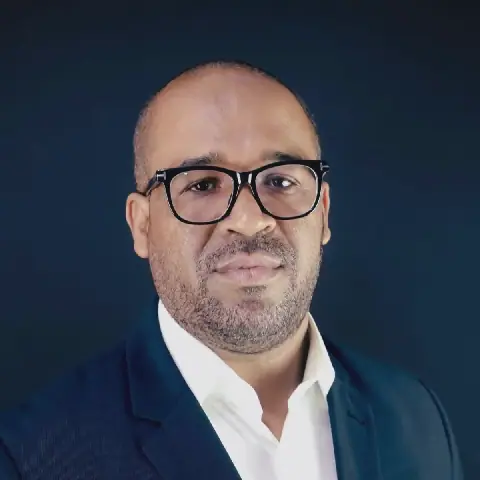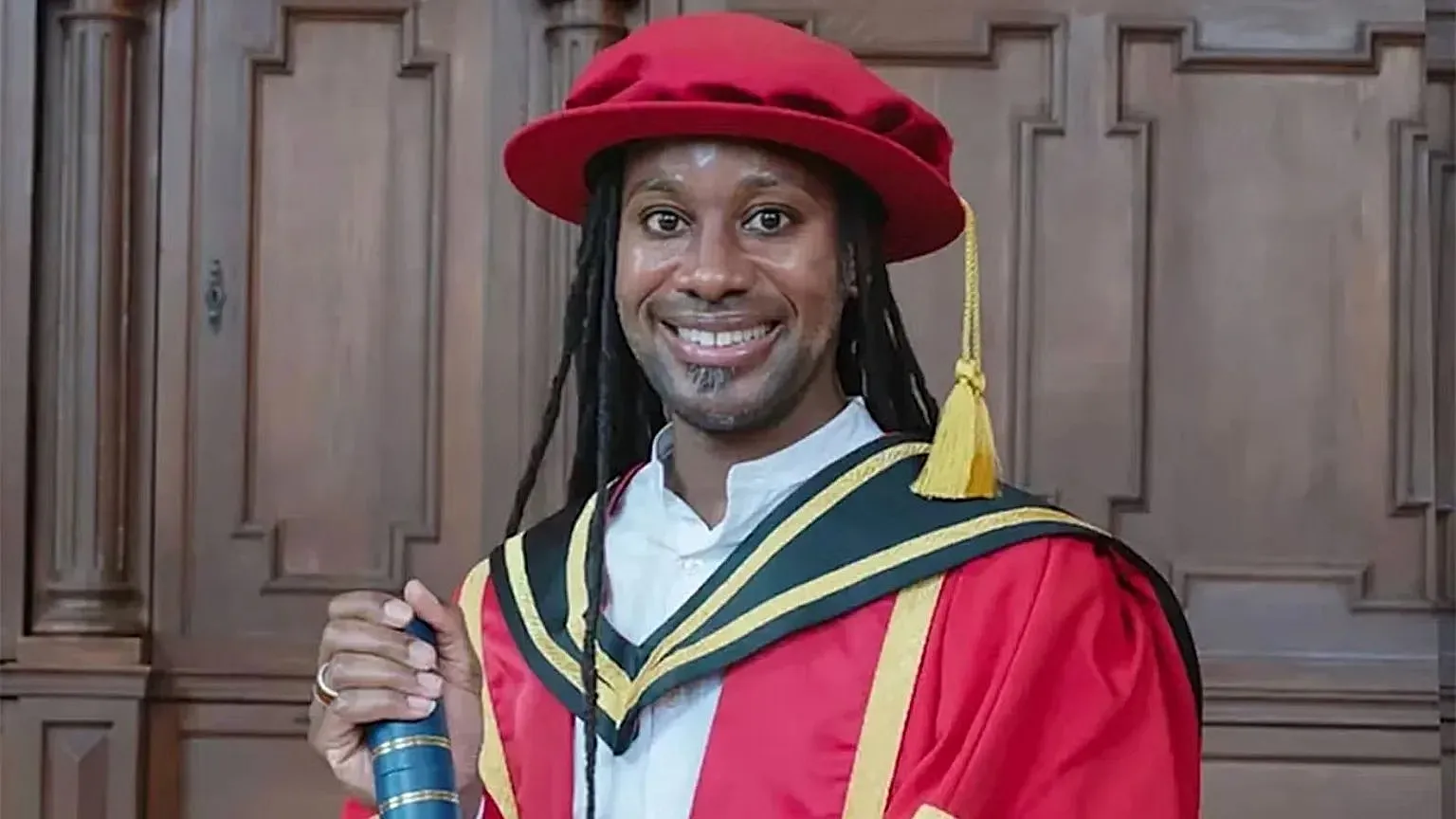
Forty days have passed since the death of former Cambridge University professor Jason Arday, and questions surrounding his academic career, media scrutiny, and legacy continue to generate public discussion. Prof Arday, who was 41, died on August 14, 2026, at a property in Battersea, south London. The Metropolitan Police said the death was unexpected but not believed to be suspicious.
A coroner later opened an inquest into the circumstances surrounding his death. His death came shortly after he resigned from his position as Professor of Sociology of Education at Cambridge amid intense scrutiny over allegations concerning plagiarism and aspects of his academic qualifications. Cambridge had initially defended Arday against plagiarism allegations, saying they had been investigated and found to be unfounded.
The university subsequently announced a new investigation after receiving information concerning his qualifications and honorary appointments. The media coverage surrounding the controversy has itself become a major part of the debate. Arday’s supporters have criticised what they described as sustained and excessive media scrutiny, while other commentators have argued that journalists were justified in examining claims about the academic record of a prominent university professor.
The disagreement has raised a broader question for journalism: how should the media pursue legitimate public-interest investigations without turning a person into the story itself? Arday’s memoir, Great and Unfortunate Things, was published after his death with the consent of his family. The book provides his own account of his life and experiences, while also becoming part of the continuing public discussion surrounding his career and the allegations made against him.
The 40-day reflection therefore extends beyond the circumstances of his death to questions about media responsibility, institutional accountability and the treatment of allegations in the public domain. For journalists, the case provides an opportunity to examine how stories involving powerful institutions and public figures are researched, verified and presented, particularly when information is developing rapidly.
At the MRI Ghana symposium, former Dean of the School of Information and Communication Studies at the University of Ghana, Professor Audrey Gadzekpo, said the case should encourage Ghanaian universities to examine their own systems. She said institutions need clear procedures for verifying qualifications, supervising academic work and investigating complaints, so that concerns can be addressed through evidence-based processes.
Professor Gadzekpo also cautioned against treating plagiarism-detection or artificial-intelligence tools as conclusive. She said such technologies can assist in identifying similarities, but human assessment is required to determine context, intent and whether academic misconduct has actually occurred. The discussion also reinforces the need to remember that behind every headline is an individual whose reputation, family and legacy can be affected by how information is reported and repeated.
Key points
- The media coverage surrounding Prof. Jason Arday's controversy has sparked debate on the role of journalism in investigating public figures.
- Prof. Audrey Gadzekpo emphasized the need for Ghanaian universities to establish clear procedures for verifying qualifications and investigating complaints.
- The case highlights the importance of balancing public-interest investigations with responsible reporting to avoid turning individuals into the story.