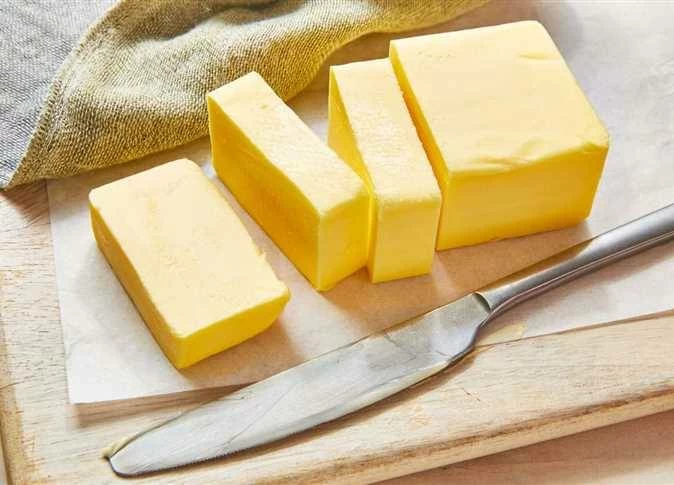
For many Egyptian home bakers, there's nothing more frustrating than realizing you're out of butter when you're in the middle of preparing a cake or biscuits. However, butter isn't always the only option; there are several alternatives readily available in your kitchen that can produce similar results with slight variations in texture and taste. According to experts, one such alternative is vegetable oil, which can be used in many cake and muffin recipes, especially those that require a soft and moist texture.
Vegetable oil is a suitable substitute for butter in many recipes, particularly those that rely on achieving a tender crumb. Since oil is a liquid fat, unlike butter which contains water, the substitution ratio may not always be one-to-one. Therefore, it's best to use a tried-and-tested recipe when making the substitution, especially in biscuits that rely on whipping butter and sugar to achieve the desired texture. Additionally, oil doesn't require melting and can be added directly to liquid ingredients.
Another alternative to butter is ghee or vegetable shortening, which can be used in many baked goods and sweets. Ghee imparts a rich texture and distinct flavor, although it may alter the taste of the recipe slightly, especially if using a strong-tasting ghee. As such, it's best used in cakes, biscuits, and sweet pastries, with the understanding that the final result won't be an exact match to the original recipe made with butter.
For those looking to reduce the fat content of their baked goods, apple puree can be used as a substitute for some of the butter in certain recipes. According to culinary experts, fruit purees can replace some of the fat in baked goods, adding moisture and helping to achieve a tender crumb. However, it's not recommended to replace all the butter with apple puree, as fat plays a crucial role in texture and flavor, particularly in biscuits and pastries.
Yogurt is another option that can be used as a substitute for butter in certain cake and baked goods recipes that require moisture and a tender crumb. The acidity in yogurt can also react with baking soda in recipes that include it, helping to create a lighter texture in some cases. However, yogurt isn't a direct substitute for butter in all recipes, as it contains a high percentage of water and a lower percentage of fat, which can affect the final result.
When choosing a substitute for butter, the type of recipe and desired outcome should be considered. For cakes and muffins, oil or yogurt may be practical options depending on the recipe. For a result closer to rich, fatty sweets, ghee can be used. In recipes aiming to reduce fat, apple puree can replace some of the butter, but not necessarily all of it.
Before making a substitution, it's essential to note that butter serves multiple functions beyond just adding fat; it also affects flavor, texture, aeration, and crunch. As such, not all substitutes are created equal, and the final result may vary depending on the chosen alternative and recipe. In cakes and muffins, there's more room for experimentation with suitable substitutes, but in recipes that rely on whipping butter and sugar, such as certain types of cookies, the substitution may yield a noticeably different texture and appearance.
Key points
- Egyptian home bakers can use vegetable oil, ghee, apple puree, or yogurt as substitutes for butter in sweet treats.
- The choice of substitute depends on the type of recipe and desired outcome.
- Butter serves multiple functions beyond just adding fat, affecting flavor, texture, aeration, and crunch.