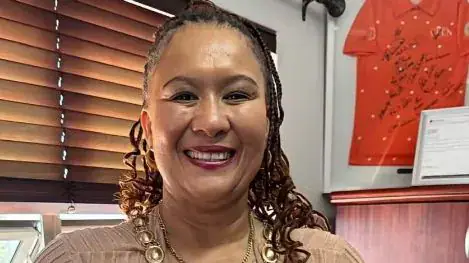
The 37 Military Hospital in Accra, Ghana, has organised a free diabetes and health screening exercise to promote early detection and prevention of diabetes and other non-communicable diseases. This exercise was organised by the hospital's Diabetes Clinic, Dietetic, Eye, Pharmacy and Medical Departments to mark the 2026 World Diabetes Day, commemorated on November 14. The event aimed to raise public awareness of the growing threat of diabetes and the importance of regular health checks.
Brigadier General Richard Lassey Mensah, Commander of the 37 Military Hospital, stated that diabetes and hypertension were on the rise in Ghana, with many people living with the conditions unknowingly until complications occurred. He urged the public to prioritise healthy eating, regular physical activity, weight management and reduced consumption of sugar, salt, alcohol and tobacco to minimise the risk of the diseases. The Commander also encouraged people to know their numbers by checking their blood sugar, blood pressure and weight regularly.
Dr Diana Afeng-Nkansah, Head of the Diabetes Clinic at the 37 Military Hospital, reported that Type 2 diabetes accounted for about 90 to 95 per cent of diabetes cases globally, with 589 million people aged between 20 and 79 years living with the disease as of 2024. This figure is projected to increase to about 839 million by 2025. In sub-Saharan Africa, approximately 24.6 million people lived with diabetes in 2024, a figure expected to rise to 50 million by 2025.
The hospital screened more than 100 walk-in clients and identified a few pre-diabetic and diabetic cases. The facility regularly educates patients on the self-management of the condition. Dr Afeng-Nkansah noted that early detection and treatment were crucial in preventing complications associated with diabetes. The hospital's free screening exercise would continue until the end of November.
Ewura Adjoa Nunoo, Public Health Physician Specialist at the hospital, identified symptoms of diabetes, including blurred vision, increased appetite and thirst, blisters on the feet, numbness, tingling sensations and unexplained weight loss. She urged people experiencing these symptoms to seek medical attention. This year's theme, "Early Action on Diabetes", sought to encourage timely screening and treatment to prevent complications.
Dr Ivy Priscilla Frimpong, Second Officer in Charge of the Dietetics Department, emphasised the crucial role of diet in managing diabetes. Patients need to regulate their carbohydrate intake, and it is recommended to eat carbohydrates in moderation. Dr Frimpong advised filling half of one's plate with vegetables and one-fourth with carbohydrates.
Dr Charway-Felli, Neurologist and Acting Head of the Medical Division, noted that many of her patients who suffered strokes also had diabetes. The condition is associated with an increased risk of Parkinson's disease and affects various organs, including the kidney, heart and brain.
Key points
- The 37 Military Hospital screened over 100 clients and identified pre-diabetic and diabetic cases during the exercise.
- Diabetes and hypertension are on the rise in Ghana, with many people living with the conditions unknowingly until complications occur.
- The hospital urges the public to prioritise healthy eating, regular physical activity, weight management and reduced consumption of sugar, salt, alcohol and tobacco.
Reporting sources
- 37 Military Hospital screens public on diabetes, calls for action · Ghana News Agency