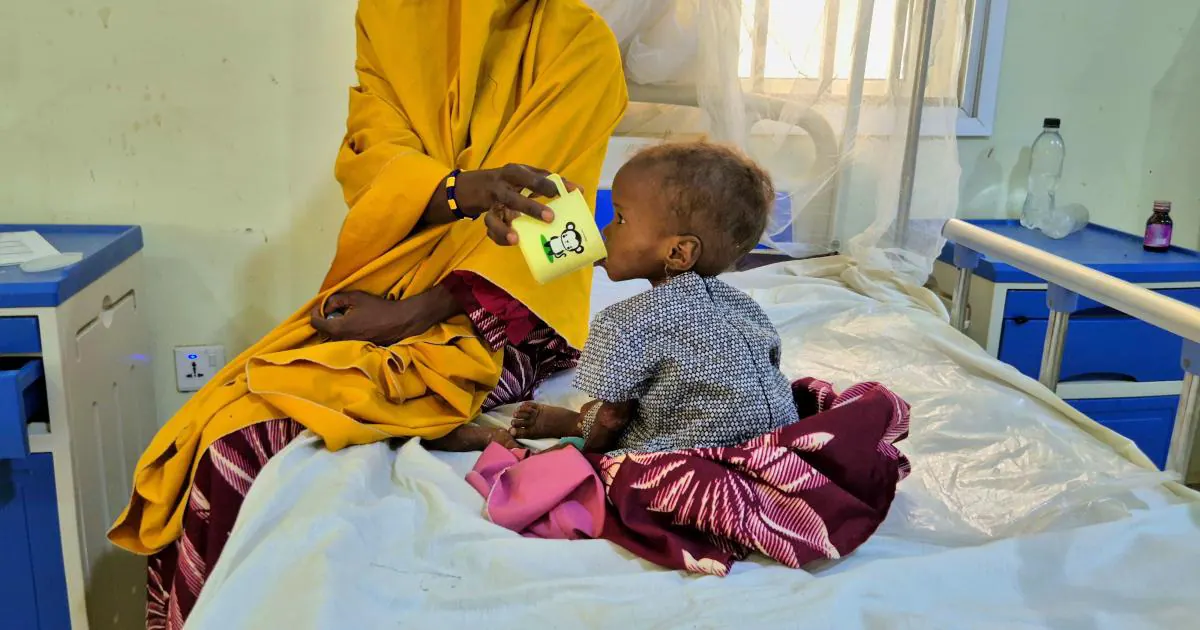
An estimated 3.9 million Nigerian children are suffering from malnutrition, specifically wasting, a form of undernutrition where a child weighs too little for their height. This was revealed by experts at the 2026 Nestlé Business Journalism and Nutrition Programme, organised in partnership with Pan-Atlantic University for journalists. The experts expressed concerns that rising food prices and poverty are undermining children's development and threatening the country's economic future.
The coexistence of undernutrition, overweight, and obesity has compounded Nigeria's nutrition crisis, demanding urgent attention to economic and food-system challenges. According to Dr. Ibukun Afolami, a nutrition scientist at the University of Ibadan, the consequences of poor nutrition extend beyond children's physical appearance to their cognitive development, educational performance, and productivity in adulthood. Afolami cited figures indicating that 3.9 million Nigerian children are affected by wasting.
The 2024 Nigeria Demographic and Health Survey recorded stunting among 40 per cent of children under five, wasting among eight per cent, and underweight among 27 per cent. These are distinct measures of undernutrition and should not be added together as a total. Afolami explained that stunting reflects impaired growth, leaving children too short for their age, while wasting concerns low weight for height and underweight concerns low weight for age.
Nigeria also faces the challenge of inadequate nutrition alongside diet-related conditions such as diabetes and stroke. Afolami urged journalists to examine the forces shaping what Nigerians eat, including food production, availability, prices, marketing, and public policy, rather than treating nutrition solely as a matter of individual choice. He encouraged reporting that connects household experiences with the weaknesses in the food system that make nutritious diets difficult to obtain.
Dr. Richard Ikiebe, a media scholar and public affairs professional, said inflation and declining purchasing power are forcing families to make food choices that could compromise their health. He cited the purchase of rotten tomatoes by some women as an illustration of the difficult choices confronting households unable to afford better-quality food. Ikiebe urged journalists to look beyond advice about healthy eating and investigate the economic, political, and social conditions determining whether families can put such advice into practice.
Ikiebe identified insecurity, transportation difficulties, inadequate storage, and food losses as issues deserving closer journalistic attention because of their effects on farmers, supplies, and consumer prices. He encouraged scrutiny of those who control different stages of the food chain and how their activities affect availability and affordability. The speakers maintained that nutrition reporting should make these connections clear, showing how decisions on production, distribution, and pricing eventually affect the quality of meals available to families.
The experts called for greater attention to the underlying causes of poor nutrition, warning that the implications reach beyond household welfare to the health, learning capacity, and future productivity of Nigeria's children. They stressed the need for journalists to investigate the relationship between food prices, income, and nutrition, citing the rising cost of bread and the reduction of protein in household meals as practical starting points for reporting.
Key points
- 3.9 million Nigerian children are suffering from malnutrition, specifically wasting.
- Rising food prices and poverty are major contributors to Nigeria's nutrition crisis.
- Experts urge journalists to investigate the economic, political, and social conditions determining whether families can access nutritious diets.