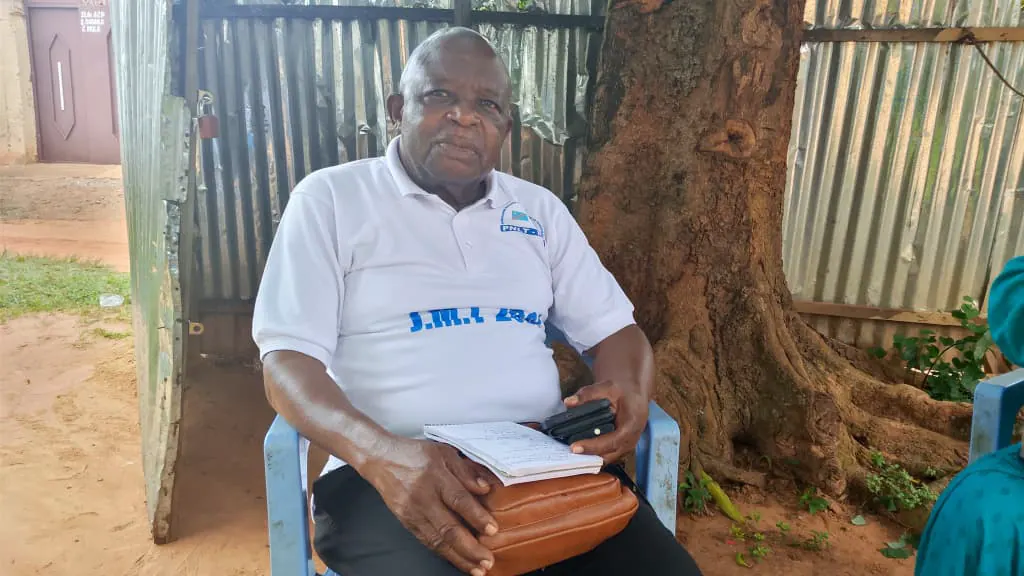
The Congolese press agency reports that 284 detainees at Mbuji-Mayi central prison in the Kasai Oriental region of the Democratic Republic of Congo have undergone tuberculosis screening. The screening was conducted by the provincial coordinator for leprosy and tuberculosis, Dr. Marcel Kazadi. He stated that out of the 284 detainees, only 121 were able to provide sputum samples, while the rest were given sputum cups in the hope that they would also provide samples.
Dr. Kazadi explained that the objective of the screening is to eliminate tuberculosis cases at the prison. He recalled that a multi-drug resistant tuberculosis epidemic occurred at the same prison in 2014-2015. The goal is to detect as many cases as possible and put them under treatment to prevent further spread of the disease. The prison currently holds 499 detainees, but some are already undergoing treatment, bringing the total number of detainees to be screened to 499.
According to Dr. Kazadi, out of the 121 sputum samples examined, only one case was bacteriologically confirmed. He expressed hope that the contamination rate has decreased, but emphasized the need for continued screening. The doctor attributed the high risk of tuberculosis transmission in prisons to poor living conditions and inadequate nutrition.
Dr. Kazadi highlighted the vulnerability of detainees to tuberculosis due to poor living conditions and malnutrition. He explained that when a person with weakened immunity inhales tuberculosis bacteria, it can quickly multiply in their lungs and cause the disease. The doctor stressed the need for isolation of tuberculosis patients to reduce the risk of transmission.
The provincial coordinator for leprosy and tuberculosis recommended isolating detainees with tuberculosis from those who are healthy. He suggested constructing separate rooms or wards outside the prison to accommodate tuberculosis patients. This measure aims to reduce the risk of transmission and prevent further spread of the disease.
The tuberculosis screening program is part of a broader effort to control the disease in the Democratic Republic of Congo. The country has been working to strengthen its healthcare systems and improve disease surveillance. The Congolese government has been collaborating with international partners to combat tuberculosis and other major public health threats.
The screening program at Mbuji-Mayi central prison is expected to continue, with plans to return to the prison in October to conduct further screening. Dr. Kazadi expressed hope that the efforts will help to eliminate tuberculosis cases at the prison and reduce the risk of transmission among detainees. The program also aims to raise awareness about tuberculosis and promote early detection and treatment.
Key points
- One case of tuberculosis was confirmed among the 284 detainees screened at Mbuji-Mayi central prison.
- The provincial coordinator for leprosy and tuberculosis, Dr. Marcel Kazadi, recommended isolating detainees with tuberculosis from those who are healthy.
- The screening program aims to eliminate tuberculosis cases at the prison and reduce the risk of transmission among detainees.