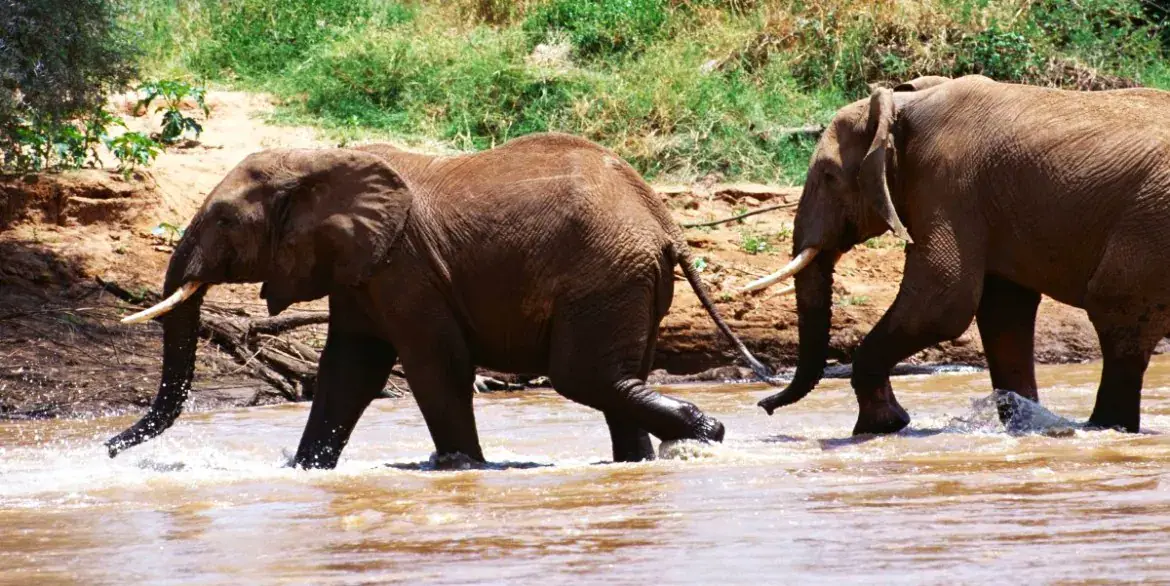
The Wildlife for Climate Declaration was launched by 25 countries at the UN Climate Conference in Antalya, Türkiye, on November 17, 2026. This declaration marks the first time a group of governments has jointly promoted the protection of wild animals as part of climate action at a UN Climate Conference. The endorsing countries, including Brazil, Belize, and Zimbabwe, have committed to protecting, conserving, and restoring wild animal populations and their habitats as a cornerstone of science-based climate action.
The declaration encourages UNFCCC Parties to recognize the role of wild animals in maintaining natural carbon sinks, address overexploitation of animals, protect and connect habitats, and advance sustainable food systems. These measures are expected to be built into national climate and biodiversity plans. Representatives from endorsing governments, including Brazil, Panama, and Lesotho, shared the linkages between wildlife protection and climate mitigation and resilience at the launch.
Zimbabwe's Minister of the Environment, Climate and Wildlife, Honourable Evelyn Ndlovu, emphasized the significance of the declaration, stating that protecting and restoring wildlife is climate action. She highlighted that when wildlife is lost, it is not only a loss of species but also a loss of the living processes that keep natural systems working. Zimbabwe is ready to work with all countries in a spirit of partnership, openness, and common purpose to implement this declaration.
Wild animals play a crucial role in ecosystem function, influencing carbon storage, resilience, and climate adaptation. Through processes such as grazing, predation, and seed dispersal, they shape the capacity of forests, grasslands, and oceans to absorb and lock away carbon. The African forest elephant, for example, helps tropical forests thrive by trampling on small trees, allowing larger, more carbon-rich trees to grow.
Scientific research has quantified the contribution of wild animals to climate change mitigation. A 2023 Nature Climate Change paper found that protecting and restoring functional populations of just nine terrestrial and marine wildlife groups could help capture an additional 6.4 gigatonnes of CO2 a year. This is roughly one-sixth of the CO2 emitted globally from fossil fuels in 2024.
The Scientific Consensus on Wildlife and Climate, supported by over 350 scientists from 47 countries, calls on governments to explicitly account for wild animals and their functional roles in climate policies and frameworks. The Wildlife for Climate Declaration offers a timely response to this, addressing the absence of acknowledgement in climate policy to date.
The declaration has been welcomed by animal welfare organizations, including the World Federation for Animals and the International Fund for Animal Welfare. Ed Goodall, Climate Policy Specialist, World Federation for Animals, said that the declaration is a game-changer, showing that governments acknowledge the role of animals in climate action and are ready to act on it. Matt Collis, Senior Director of Policy at International Fund for Animal Welfare, emphasized that the real test now is whether this recognition translates into national climate plans, meaningful investment, and action on the ground.
Key points
- The Wildlife for Climate Declaration was endorsed by 25 countries at COP31, committing to protect wild animal populations and habitats as part of climate action.
Reporting sources
- Wildlife for Climate Declaration launched by 25 countries at UN Conference in Türkiye · The Tanzania Times – News from Tanzania, Africa, World, Breaking News, Weather, Environment and Climate Change