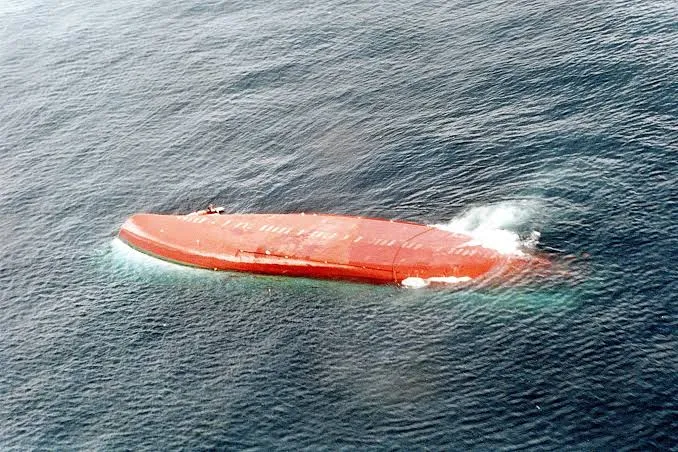
Today, September 26, 2026, marks 24 years since the Joola ferry disaster, a tragedy that still resonates deeply with the Senegalese people. On September 26, 2002, the ferry, which was carrying far more passengers than its capacity, sank off the coast of Gambia in a stormy night, resulting in one of the deadliest maritime disasters in modern history. The incident left 1,863 people dead and 64 rescued.
The Joola ferry, the largest in Senegal's fleet at the time, had set sail despite being severely overcrowded, with a capacity of around 500 passengers but carrying significantly more. The tragedy was compounded by delayed rescue efforts, with the Senegalese Navy not being informed of the incident until eight hours after it occurred. This delay, coupled with further delays in deploying rescue teams, exacerbated the disaster.
An investigation into the tragedy revealed a series of grave errors and negligence. These included chronic overloading of passengers, inadequate securing of cargo, repeated disregard for safety norms, and a lack of understanding by the crew of basic vessel stability rules. The investigation's report criticized virtually every entity involved in the management of the ferry, including the crew, who were directly blamed for their lack of control over the vessel.
The aftermath of the disaster saw significant repercussions, including the resignation of two ministers, Youba Sambou (Armed Forces) and Youssoupha Sakho (Transport), to avoid hindering the investigation. The incident also led to changes in how the Senegalese government handled maritime safety and victim support. President Abdoulaye Wade established a fund to support the families of victims, initially set at 10 billion Fcfa, later increased to 20 billion Fcfa.
The financial compensation for the victims' families was set at 10 million Fcfa per victim, though some groups of victims pushed for a judicial inquiry before accepting any financial settlements. Additionally, President Wade committed to fully supporting the minor orphans of the Joola, leading to legislation in 2006 that designated these children as "pupils of the Nation," though the application of this law was limited to those who were minors at the time of the disaster.
The Joola ferry disaster remains a painful memory for the Senegalese people, symbolizing a national tragedy that exposed deep flaws in maritime safety and emergency response. Commemorations and reflections on the disaster continue to highlight the importance of remembering the victims and learning from the tragedy to prevent future incidents.
Various events and statements from officials and organizations in the days leading up to and on the anniversary of the disaster reflect the ongoing impact of the Joola tragedy. These include calls for prudence in handling the wreckage and reflections on the memory of the lost as a collective responsibility.
Key points
- The Joola ferry disaster resulted in 1,863 deaths and 64 survivors.
- The tragedy was attributed to a combination of overcrowding, adverse weather conditions, and significant delays in rescue efforts.
- The incident led to significant changes in maritime safety policies and victim support in Senegal.