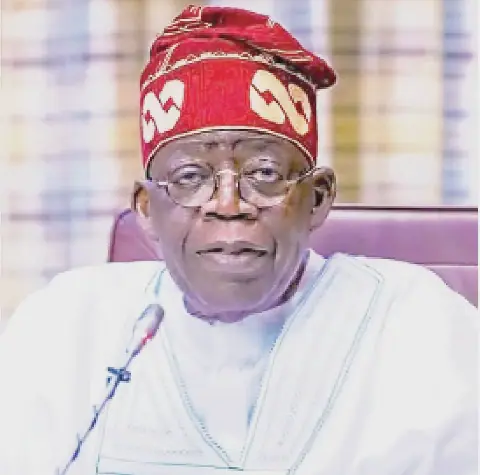
Abraham Koomson, Secretary-General of the Ghana Federation of Labour, has stated that Ghana's 24-hour economy policy is achievable, but the country must first address the challenges that have weakened the manufacturing sector. He made these comments on Ahotor FM's Yepe Ahunu programme on September 26, 2026. According to Mr. Koomson, the 24-hour economy should not be treated merely as a political slogan.
Mr. Koomson drew on his personal experience working in Ghana's manufacturing industry from 1971, during which he witnessed a period when some factories operated three shifts, creating employment and sustaining economic activity in industrial communities. He cited companies such as TTL, Allweld, DTMP, DTMZ, and Nestlé as examples of businesses that operated multiple shifts during that period.
The decline of Ghana's manufacturing sector, according to Mr. Koomson, is linked to economic policies and the inability to sustain the production of raw materials required by local industries. The textile industry is a prime example, where Ghana once had institutional arrangements such as the Cotton Development Board, which supported farmers with financing and other assistance to increase local cotton production.
However, the weakening of such support systems eventually forced textile manufacturers to depend increasingly on imported raw cotton, chemicals, dyes, and other inputs, thereby increasing their production costs. Local manufacturers then faced additional difficulties when imported finished products entered the market at relatively cheaper prices, while domestic companies had to contend with taxes and other production costs.
Mr. Koomson also raised concerns about the alleged smuggling of some finished products into Ghana, arguing that such activities could further undermine local manufacturers. He therefore argued that rebuilding Ghana's manufacturing base should be central to efforts to implement a successful 24-hour economy.
According to Mr. Koomson, the policy would require more than encouraging businesses to operate around the clock; industries must have access to raw materials, markets, and competitive production conditions. Organised labour and other stakeholders had previously developed proposals on manufacturing and submitted them to the government, with the 24-hour economy forming part of those discussions.
Mr. Koomson urged policymakers to focus on rebuilding productive sectors and creating an environment in which Ghanaian businesses can compete effectively, arguing that the success of the 24-hour economy would depend largely on the strength of the country's industrial base.
Key points
- Rebuilding Ghana's manufacturing sector is crucial for a successful 24-hour economy.
- The 24-hour economy policy requires more than just encouraging businesses to operate around the clock.
- Ghana's manufacturing sector declined due to economic policies and inability to sustain raw material production.