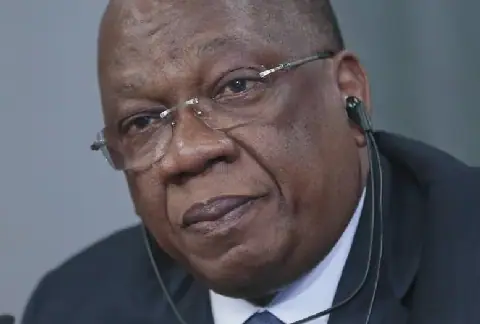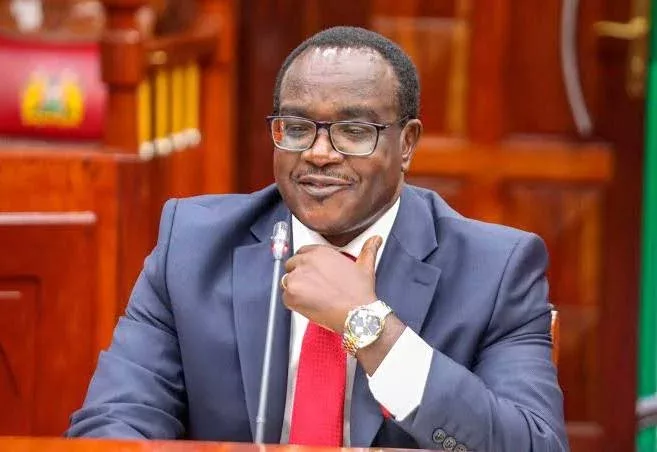
The fate of 24,000 Junior Secondary School teacher interns in Kenya hangs in the balance as the government has confirmed it has secured funding to absorb only 20,000 of the teachers into permanent and pensionable employment from January next year. This move leaves the remaining interns uncertain about their future. Education CS Julius Ogamba told the Senate that the government must first secure additional money to facilitate the gradual absorption of the remaining 24,000 intern teachers into permanent and pensionable service.
The uncertainty threatens to reopen a long-running dispute between the government and thousands of qualified JSS teachers who have spent years teaching under temporary internship contracts while demanding permanent and pensionable terms. President William Ruto had previously indicated that the 24,000 teachers recruited in the latest internship cohort would also be transitioned to permanent terms in the next financial year. However, the latest position means the 24,000 teachers will continue working as interns while the government mobilises resources for their permanent employment.
The National Treasury had set aside Sh8.16 billion for intern teachers and Sh4.92 billion to convert 20,000 interns to permanent and pensionable employment from January 2027. Despite concerns that schools could be left without teachers due to the uncertainty, Ogamba dismissed these concerns, stating that the government, through the Teachers Service Commission (TSC), had continued paying interns their monthly stipends and that a court order had allowed them to remain in schools pending the determination of the legal dispute over the internship programme.
JSS began nationally in January 2023 under the Competency-Based Curriculum, creating an urgent demand for teachers. The TSC responded by recruiting thousands of teachers as interns. In the 2023-24 financial year, 46,000 interns were recruited, while another 20,000 joined the programme in 2024-25 and a further 24,000 in 2025-26. The earlier cohort was subsequently moved to permanent employment, leaving about 44,000 interns in the latest cohorts.
Teachers and their unions have opposed the internship programme, arguing that the interns are trained and registered professionals doing the same work as permanently employed teachers but receiving much lower stipends. The first major confrontation erupted in early 2024, when more than 21,000 JSS interns threatened to strike after their initial 11-month contracts expired. The dispute escalated into nationwide demonstrations in May 2024 after the TSC failed to immediately confirm the teachers on permanent and pensionable terms.
In April 2024, the Employment and Labour Relations Court ruled that the TSC had violated the rights of qualified and registered teachers by recruiting them as interns and placing them on disadvantaged terms. The court declared that the recruitment and employment arrangement contravened the constitution and the teachers’ rights to fair labour practices and remuneration had been violated. Despite the legal battle, the internship programme has continued, with the TSC recruiting new batches as the government grapples with the cost of employing the teachers permanently.
The issue remains unresolved, with 24,000 interns facing uncertainty about their employment status. The government has promised to engage the National Treasury and other stakeholders to secure additional resources to facilitate the gradual absorption of the remaining intern teachers into permanent and pensionable service. However, no timeline has been provided for when this will happen, leaving the interns in a state of limbo.
Key points
- The Kenyan government has secured funding to absorb 20,000 Junior Secondary School interns into permanent employment but faces uncertainty in providing the same for the remaining 24,000 interns.
- The internship programme has been opposed by teachers and their unions, who argue that interns are paid lower stipends than permanently employed teachers despite doing the same work.
- A court ruling in April 2024 declared the internship programme unconstitutional, but the programme has continued as the government grapples with the cost of permanent employment.