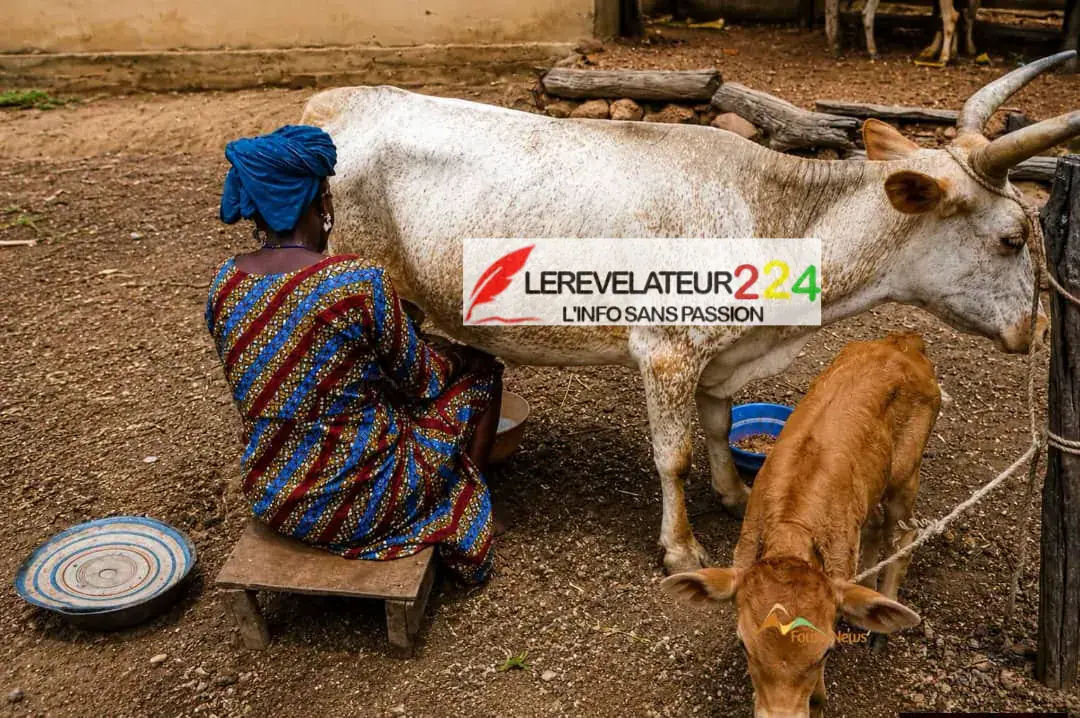
A food poisoning incident has occurred in the village of Paravol, located in the Kintawou Daconta sector of Guinea. On November 6, 2026, twenty-two residents of Tanènè fell severely ill after ingesting cow's milk. They were initially treated at the local health post before being urgently transferred to the regional CHU hospital in Boké for intensive medical care. The incident has raised concerns about food safety in the area.
According to the Mayor of the rural commune of Tanènè, the affected villagers presented with severe symptoms after consuming the cow's milk. The exact origin of the food poisoning remains unknown, and investigations are likely underway to determine the cause. The hospital's intensive care unit is currently monitoring the patients' condition. Local authorities and health officials are working together to address the situation.
The incident highlights the importance of food safety and quality control measures in Guinea. Food poisoning outbreaks can have severe consequences, especially in rural areas with limited access to healthcare facilities. The government and local health authorities must take proactive steps to prevent such incidents and ensure that food consumed by the public is safe.
The CHU hospital in Boké is equipped to provide intensive medical care to the affected patients. Medical staff are working to stabilize the patients' conditions and prevent further complications. The hospital's facilities and equipment are crucial in responding to emergencies like this food poisoning incident.
Food poisoning incidents can have significant economic and social impacts on affected communities. The incident may lead to increased scrutiny of food vendors and suppliers in the region. Authorities may need to implement additional measures to monitor food quality and safety.
The Mayor of Tanènè and local health officials are likely coordinating with national authorities to investigate the incident. Identifying the source of the contaminated milk is crucial to preventing similar incidents in the future. The community is likely to be informed about the progress of the investigation and any measures being taken.
The incident serves as a reminder of the importance of prioritizing food safety and quality control. Ensuring that food consumed by the public is safe requires a collaborative effort from authorities, food vendors, and the community. The situation in Tanènè will continue to be monitored, and updates will be provided as more information becomes available.
Key points
- 22 villagers in intensive care after consuming cow's milk
- Origin of food poisoning remains unknown
- Incident highlights importance of food safety measures in Guinea