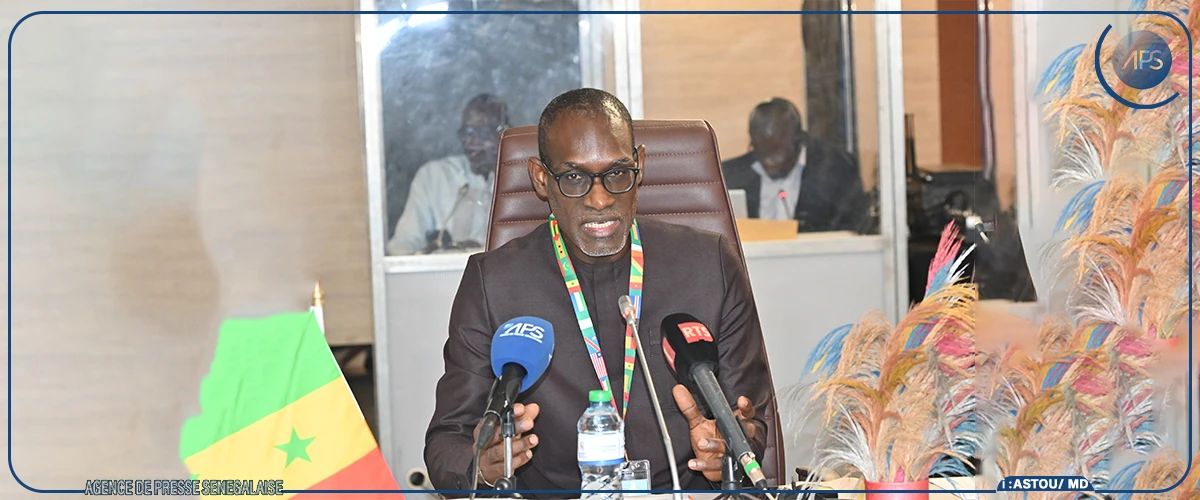
A week-long workshop began on Wednesday, October 7, 2026, in Dakar, Senegal, with representatives from 22 African countries bordering the Atlantic Ocean. The meeting focuses on the challenges of aquaculture, fisheries research, and marine sciences. The goal is to identify constraints in aquatic policies and promote experience sharing among participating countries. The workshop is organized by the Senegalese National Aquaculture Agency (ANA), the African Network of Fisheries Research Institutes and Marine Sciences (RAFISMER), and the African Network of Institutions for Aquaculture Development and Promotion.
Samba Ka, Director-General of the ANA, explained that the workshop aims to facilitate experience sharing and identify constraints in aquaculture. He emphasized the need for sustainable solutions to the problems facing the sector. Taoufik El Ktiri, Executive Secretary of the Ministerial Conference on Fisheries Cooperation between African States bordering the Atlantic Ocean (COMHAFAT), also participated in the workshop. El Ktiri stressed the importance of collaboration to address the challenges in aquaculture, fisheries research, and marine sciences.
According to El Ktiri, African aquaculture production, estimated at around 400,000 tons per year, remains modest compared to other regions such as Southeast Asia and Latin America. He highlighted the need for complementarity between research, investment, and regulatory and technical frameworks in participating countries. El Ktiri emphasized that good regulatory frameworks are essential for the development of aquaculture, fisheries research, and marine sciences.
Mohamed Najih, President of RAFISMER, urged the 22 participating countries to strengthen scientific cooperation and combat overfishing collectively. Baba Ndiaye, Director of Cabinet for the Senegalese Minister of Fisheries and Maritime Economy, recalled the potential of aquaculture to create jobs and contribute to food sovereignty. He noted that aquaculture can generate up to 100,000 jobs in Senegal.
The workshop brings together experts from various organizations, including COMHAFAT, RAFISMER, and the African Network of Institutions for Aquaculture Development and Promotion. Participants will discuss the challenges and opportunities in aquaculture, fisheries research, and marine sciences. The meeting aims to promote cooperation and coordination among participating countries.
The Senegalese government has expressed its commitment to developing the aquaculture sector. The country's minister of fisheries and maritime economy has emphasized the importance of aquaculture in creating jobs and contributing to food sovereignty. The workshop provides a platform for participating countries to share experiences and best practices in aquaculture.
The workshop will conclude with recommendations and a plan of action to address the constraints in aquatic policies. Participants are expected to identify key areas for cooperation and develop strategies to promote sustainable aquaculture practices. The outcome of the workshop will contribute to the development of the aquaculture sector in participating countries.
Key points
- African aquaculture production remains modest compared to other regions.
- The sector has the potential to create up to 100,000 jobs in Senegal.
- Participants emphasize the need for cooperation and good regulatory frameworks to develop sustainable aquaculture practices.