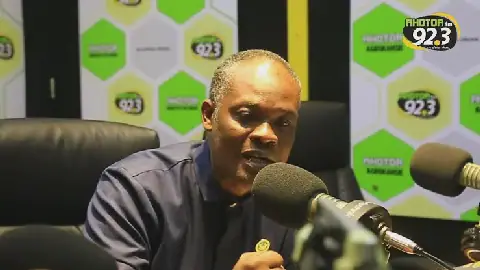
Twenty-one states in Nigeria have adopted harmonised tax laws to consolidate over 100 subnational taxes and levies into nine categories. This move aims to address overlapping demands on businesses, particularly traders and transporters who face repeated payment demands. The Joint Revenue Board's Executive Secretary, Olusegun Adesokan, announced the adoption figures at a briefing in Abuja on October 28. He stated that the harmonisation framework will help reduce delivery expenses for businesses transporting goods across state boundaries.
The nine categories presented at the briefing include income tax, stamp duties, property tax, road tax, haulage levy, economic development levy, harmonised levy, user charge, and daily ticket. User charges comprise payments for parking, signage, and waste disposal, while daily tickets cover market levies, abattoir fees, and transport-related charges. Adesokan clarified that grouping these payments does not abolish every charge a trader currently pays, and liability depends on the business, applicable state legislation, and approved charges.
The adopting states are Abia, Adamawa, Akwa Ibom, Anambra, Bayelsa, Benue, Borno, Delta, Ekiti, Enugu, Gombe, Kaduna, Kebbi, Kogi, Kwara, Nasarawa, Niger, Ondo, Plateau, Yobe, and Zamfara, with Lagos not included. Adesokan advised taxpayers to verify questionable notices with the relevant revenue authority and avoid payments into private or consultants' accounts. He emphasised that the JRB coordinates tax administration but does not collect revenue directly.
Adesokan acknowledged that passing legislation has not ended the problem of illegal collections and harassment. He stated that the board is working with police and state revenue authorities to tackle illegal collectors along transport routes, linking their activities to higher costs for goods. The board's campaign targets tax roadblocks, cash collection, and unauthorised revenue stickers and emblems.
Collaboration with police is ongoing, and enforcement will begin soon. Adesokan encouraged traders to check notices and receipts to establish what a charge covers, the approved amount, and the authority collecting it. This will help identify legitimate charges and prevent repeated unauthorised payments. A clearer tax schedule will help traders moving goods through several jurisdictions.
Removing illegal payments could reduce transport expenses, but the announcement did not establish how much traders have saved or any resulting reduction in retail prices. Those benefits will depend on collectors complying with the rules and businesses no longer facing the same demands under different names. Getting a consignment to market without repeated unauthorised payments will require that schedule to be enforced along the route.
The implementation of the harmonised tax laws is expected to bring relief to traders and transporters. However, the success of this initiative depends on effective enforcement and compliance from collectors. The Joint Revenue Board's efforts to address this issue will be crucial in reducing the financial burden on businesses and promoting economic growth.
Key points
- 21 Nigerian states adopt harmonised tax laws to consolidate over 100 subnational taxes and levies into nine categories.
- The move aims to address overlapping demands on businesses, particularly traders and transporters who face repeated payment demands.
- Effective enforcement and compliance from collectors will be crucial in reducing the financial burden on businesses and promoting economic growth.