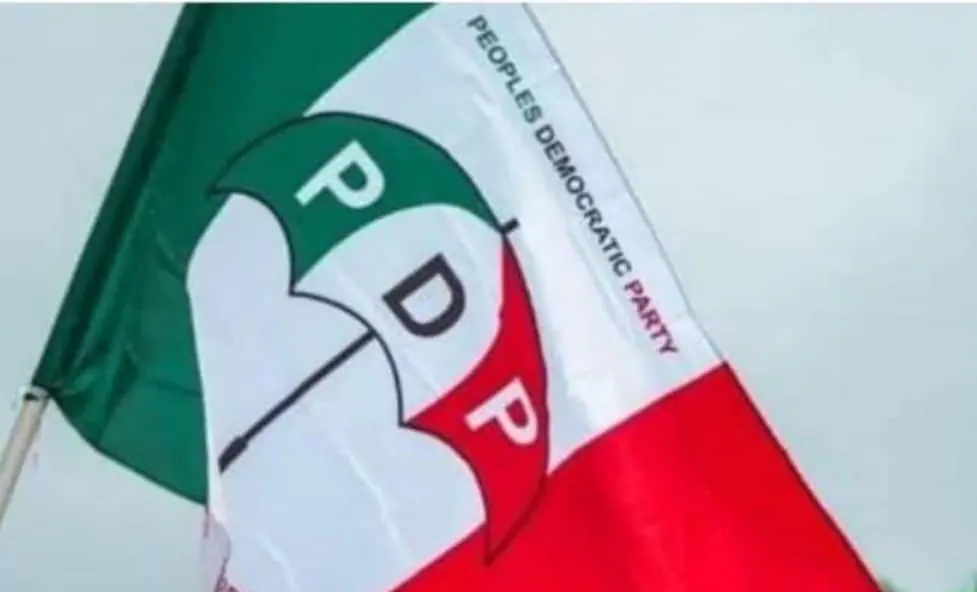
The Peoples Democratic Party governorship candidate in Sokoto State, Abubakar Sokoto, has described the emerging Rainbow Coalition as another phase in Nigeria's history of political alliances and realignments. In a statement issued in Sokoto, he noted that political coalitions had featured in different electoral cycles as parties and political groups joined forces to pursue common objectives. This phenomenon has been a recurring feature of Nigerian politics, with varying names, personalities, circumstances, and objectives over time.
Sokoto cited the AD-APP joint presidential ticket of Olu Falae and Umaru Shinkafi in 1999 as one example of a political alliance. He also referenced the Coalition of Progressive Political Parties ahead of the 2015 elections and the merger of the ACN, CPC, and ANPP that produced the All Progressives Congress. These examples demonstrate that political coalitions are a common occurrence in Nigerian politics, with the goal of achieving shared objectives.
According to Sokoto, the greatest lesson from these experiences is that political coalitions are about people as much as they are about parties. This suggests that the success or failure of such coalitions depends on the individuals involved, as well as the parties they represent. Sokoto's comments come as the Rainbow Coalition, a multi-party platform mobilizing support for President Bola Tinubu's 2027 re-election, has been gaining attention.
FCT Minister Nyesom Wike has described the Rainbow Coalition as a platform that is not an APC structure. Wike's comments were reportedly met with concerns from some APC governors, who may be wary of the coalition's impact on the party's fortunes. Sokoto urged APC governors and party leaders to adopt a pragmatic approach to the emerging political realignment, taking into account the broader history of political coalitions and realignments in the country.
Sokoto also called on Nigerians to support initiatives aimed at ensuring a free, fair, and credible 2027 general election. This appeal comes as the country prepares for another electoral cycle, with various political groups and parties positioning themselves for the contest. The PDP governorship candidate emphasized the need for a peaceful and transparent electoral process.
The Rainbow Coalition has been gaining traction in recent weeks, with some APC leaders expressing support for the initiative. However, not all party members are convinced, with some governors reportedly raising concerns about the coalition's impact on the party's internal dynamics. As the 2027 elections approach, it remains to be seen how the coalition will affect the country's political landscape.
Sokoto's comments reflect the complexities of Nigerian politics, where alliances and realignments are a regular occurrence. As the country prepares for another electoral cycle, politicians and parties are positioning themselves for the contest. The success or failure of the Rainbow Coalition, and other political alliances, will depend on various factors, including the individuals involved and the parties they represent.
Key points
- Sokoto says the Rainbow Coalition reflects Nigeria's history of political alliances and realignments.
- The coalition has been described as a multi-party platform mobilizing support for President Bola Tinubu's 2027 re-election.
- Sokoto urges APC governors and party leaders to adopt a pragmatic approach to the emerging political realignment.