The approach to Nigeria's 2027 presidential election is taking a unique turn with the emergence of non-participant gladiators who are promoting their ambitions without directly contesting. This new trend is a departure from the traditional role of spokespersons and commentators in Nigerian elections. According to political analysts, this development is a reflection of the changing dynamics in Nigeria's electoral process. The 2027 election is expected to be highly competitive, with various stakeholders vying for the top position.
In Nigeria's presidential system, which was adopted in 1979, voters cast their ballots for political parties that produce the candidates, rather than the candidates themselves. This approach has led to the prominence of party structures and spokespersons during elections. The 1999 constitution emphasizes the role of political parties in the electoral process, which has contributed to the current trend of non-participant gladiators promoting their ambitions. This development has sparked debate among political analysts and stakeholders.
The phenomenon of non-participant gladiators is not new in Nigerian politics. During the 2015 presidential election, numerous surrogate voices emerged to promote Muhammadu Buhari's candidacy, highlighting the benefits of his presidency. However, after his election, Buhari distanced himself from some of the campaign promises made by his spokespersons. A similar trend was observed in the 2019 and 2023 election cycles, with various individuals emerging as presidential marketers.
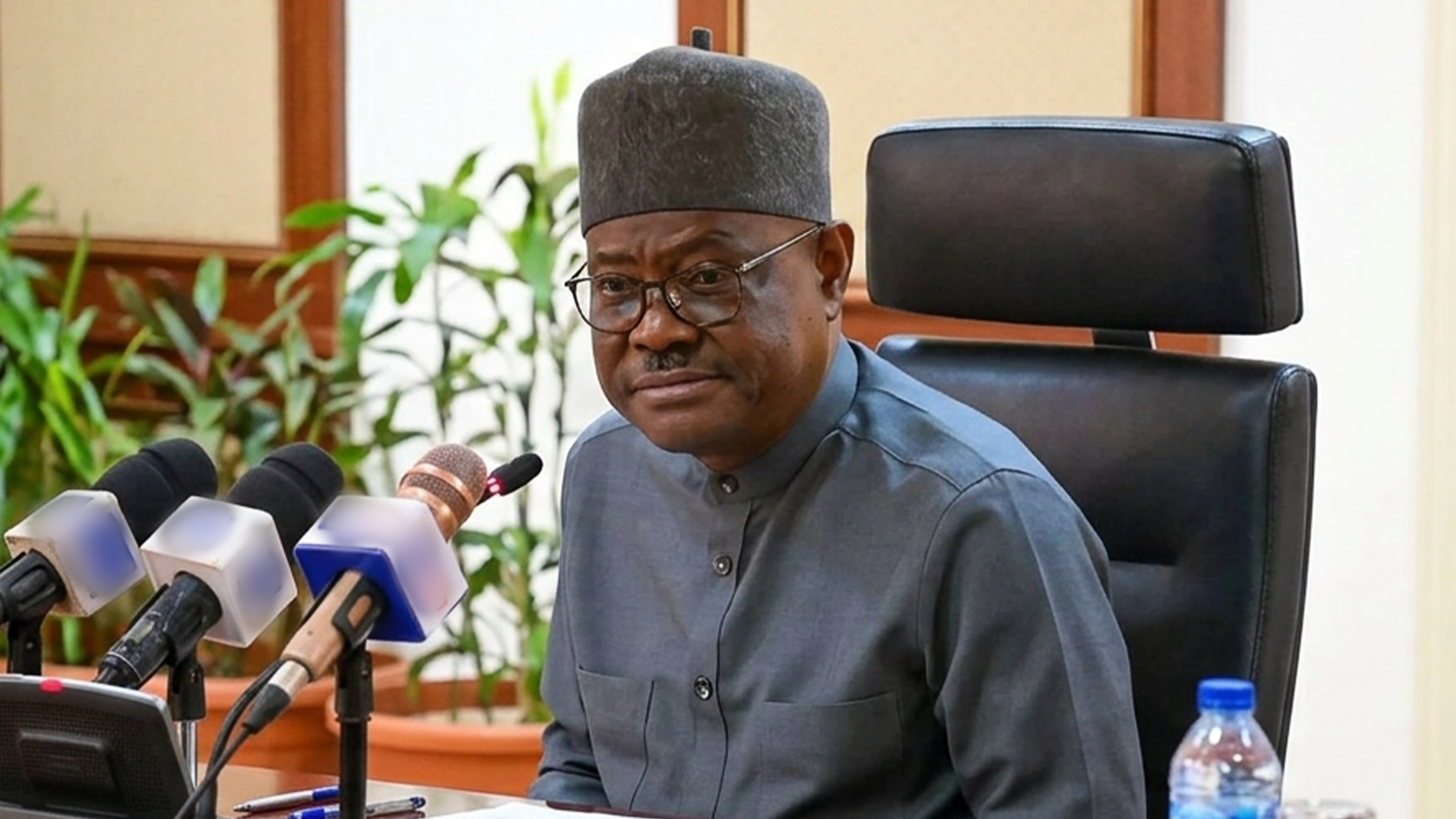
Some notable figures have emerged as non-participant gladiators in the lead-up to the 2027 election. These include Governor Chukwuma Soludo, Minister Nyesom Ezenwo Wike, and Yusuf Datti Baba-Ahmed, who are using their platforms to promote their ambitions. Their involvement has helped to keep the buildup to the 2027 election intense and explosive. The influence and impact of their voices have raised questions about the need for clarity on the promises of the main contenders.
Governor Soludo's journey into politics has been marked by twists and turns. After leaving the Central Bank of Nigeria in 2009, he was persuaded to explore partisan politics by Presidents Olusegun Obasanjo and Umaru Musa Yar'Adua. However, his attempts to contest for the Anambra State governorship in 2010 and 2013 were unsuccessful. Soludo's experiences have humbled him, and he has since become a hype man for other politicians, including Governor Willie Obiano.
Soludo's emergence as a presidential marketer in 2022 was marked by a lengthy essay in which he criticized Peter Obi's chances of winning the 2023 presidential contest. This move was seen as a demonstration of his ambition to be a player in the 2027 election. Other non-participant gladiators are also using online platforms to promote their ambitions, which has helped to accommodate the clamour for youth involvement in the electoral process.
The emergence of non-participant gladiators in Nigeria's 2027 presidential campaigns has added a new dimension to the electoral process. As the campaigns intensify, it remains to be seen how these individuals will navigate the complexities of Nigerian politics. The 2027 election is expected to be highly competitive, and the role of non-participant gladiators will likely continue to shape the narrative.
Key points
- The 2027 presidential campaigns in Nigeria are taking on a new dimension with the emergence of non-participant gladiators.
- Governor Chukwuma Soludo, Minister Nyesom Ezenwo Wike, and Yusuf Datti Baba-Ahmed are among the notable figures who have emerged as non-participant gladiators.
- The influence and impact of non-participant gladiators have raised questions about the need for clarity on the promises of the main contenders.