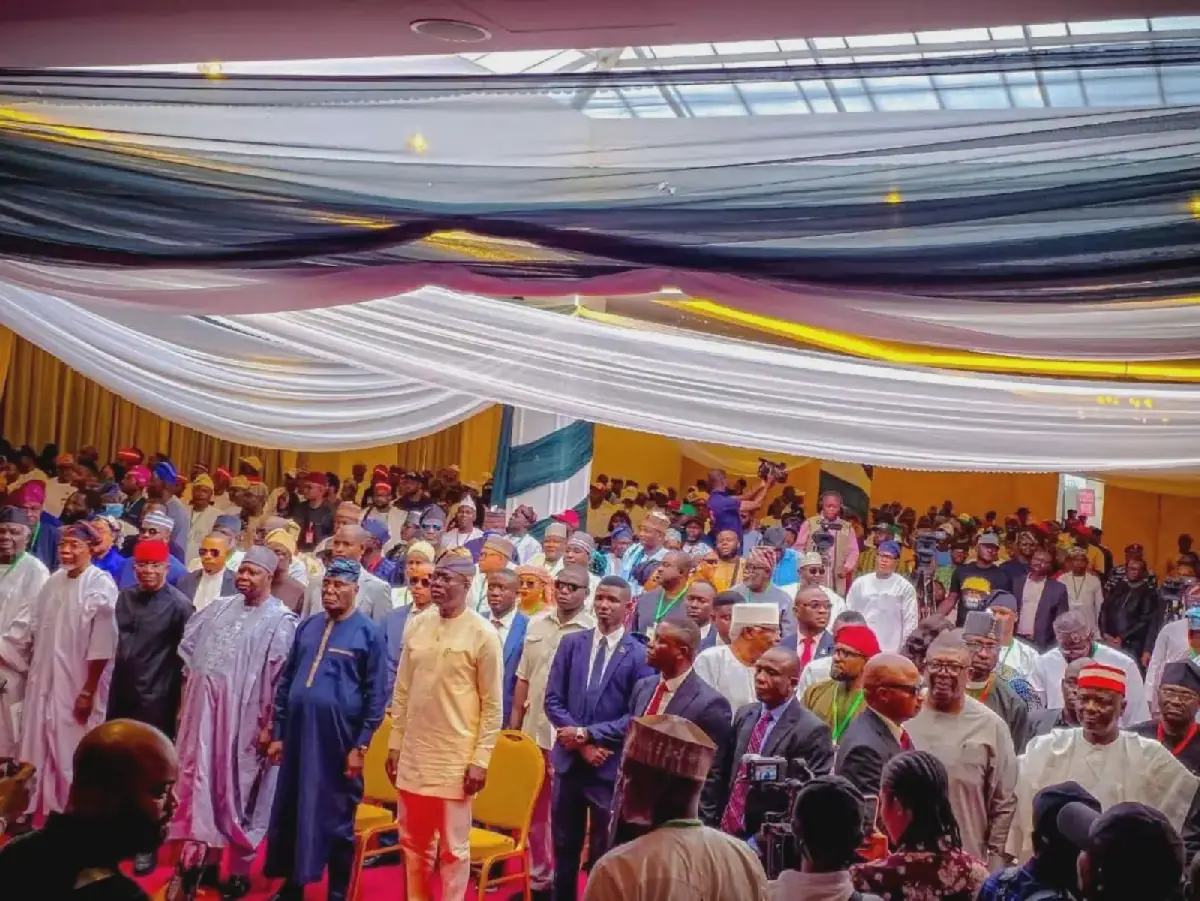
Opposition political parties in Nigeria have raised concerns over growing restrictions on campaign activities, alleged intimidation, and political violence ahead of the 2027 general elections. The African Action Congress (AAC) has urged opposition forces to consider a collective boycott if the Federal Government and security agencies fail to guarantee their safety. This reflects a wider pattern of reported political violence, harassment, attacks on party members, and restrictions on campaign activities across several states.
The concerns were raised by various opposition parties, including the African Democratic Congress (ADC), Nigeria Democratic Congress (NDC), Allied Peoples Movement, and Zenith Labour Party (ZLP). They cited experiences in states such as Sokoto, Oyo, Ekiti, Osun, Lagos, Ogun, and Ondo, where they alleged that the ruling All Progressives Congress (APC) was frustrating their political activities. The ADC, for instance, accused the Sokoto state government of sealing its campaign office and evicting its delegates from hotels during a campaign flag-off.
In response to the restrictions, opposition parties are adopting alternative strategies to reach voters, including town hall meetings, street processions, and social media livestreams. The parties have also raised concerns over the high costs of political advertising and campaign publicity in some states, alleging that incumbent administrations are imposing prohibitive charges on campaign billboards, handbills, and other communication materials. In the Federal Capital Territory (FCT), parties seeking to display campaign billboards are reportedly expected to pay as much as N750 million to the administration.
The NDC presidential contender, Peter Obi, has explored digital platforms to engage Nigerians, featuring in live sessions on TikTok and visits to markets. Obi has maintained that political leaders must engage directly with the electorate and present practical plans to address insecurity, economic instability, and the rising cost of living. The AAC has proposed a collective boycott of the 2027 general elections, citing reports of political violence, intimidation, harassment, and attacks on opposition activities in several states.
The AAC cited developments in Ekiti State ahead of the June 20, 2026 governorship election, where the Peoples Democratic Party (PDP) accused Governor Biodun Oyebanji's administration of using security agencies and state machinery to intimidate opposition members. The PDP's deputy governorship candidate, Ayodeji Ogunsakin, alleged that some party members were arrested, detained, and harassed because of their political affiliations.
The party also pointed to developments in Osun State, where political tension and allegations of violence featured prominently in preparations for the August 15 governorship election. Opposition parties and civil society organisations raised concerns about attacks on supporters, political clashes, intimidation, and the safety of party members. The Nigeria Civil Society Situation Room expressed concern over reports of politically motivated clashes, attacks, and intimidation.
The opposition parties' concerns have sparked fears about the credibility and integrity of the electoral process. The AAC has argued that unless the Federal Government and security agencies guarantee the safety of candidates, party members, and supporters, a boycott of the 2027 general elections should become inevitable. The parties have vowed to challenge the ruling APC despite the alleged intimidation and restrictions on their campaign activities.
Key points
- Opposition parties in Nigeria face growing restrictions on campaign activities, alleged intimidation, and political violence ahead of the 2027 general elections.
- The African Action Congress has proposed a collective boycott of the 2027 general elections if the Federal Government and security agencies fail to guarantee the safety of opposition candidates and supporters.
- Opposition parties are adopting alternative strategies, including town hall meetings, street processions, and social media livestreams, to engage voters and communicate their political programmes.