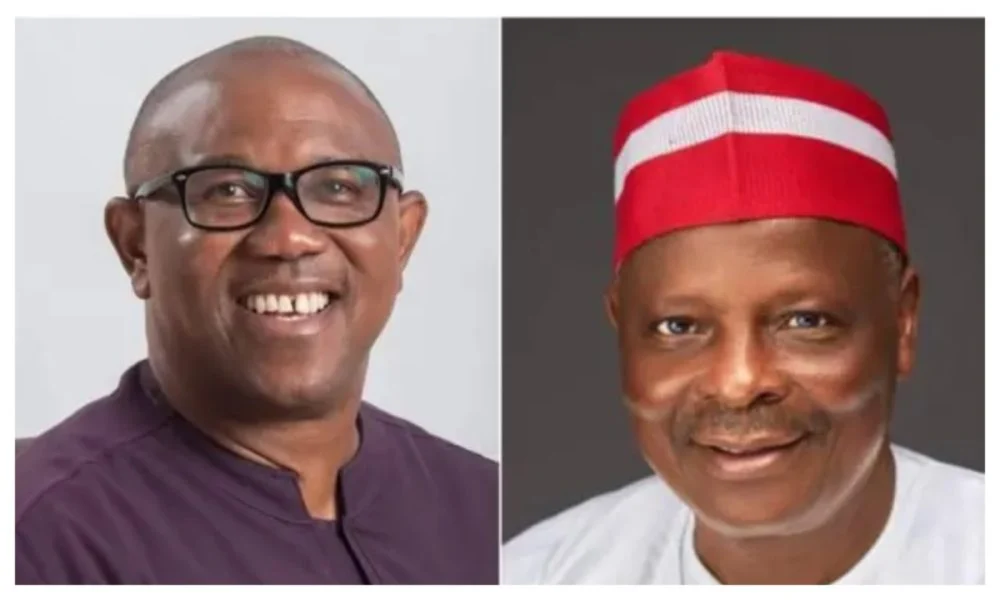
The presidential and vice-presidential candidates of the Nigeria Democratic Congress, Peter Obi and Rabiu Kwankwaso, have expressed different positions on restoring fuel subsidy if elected in 2027. Kwankwaso, a former Kano State governor, stated that an Obi-led administration would reintroduce fuel subsidy in a modified form during an interview with Arise TV. He discussed fuel pricing and the impact of subsidy removal under President Bola Tinubu.
Kwankwaso faulted the removal of the subsidy on May 29, 2023, arguing that the policy lacked adequate preparation and contributed to economic difficulties. He suggested that the government should support the expansion of private and public refineries to increase local production and reduce the cost of petroleum products. Kwankwaso also stated that individuals and the government should build refineries to put the price of oil down.
However, Obi has maintained that Nigeria should not return to the old fuel subsidy regime. Speaking at the Nigerian Bar Association conference in Port Harcourt in August, Obi said the government should have removed the subsidy in a structured and phased manner. He emphasized that mismanagement of the proceeds shouldn’t be the reason for not removing it.
Obi suggested that the government should invest savings from subsidy removal in critical sectors such as healthcare, education, and agriculture. He also criticized the handling of the subsidy savings, stating that the government should transparently channel the funds into productive investments to cushion the policy’s impact on Nigerians.
The differing positions highlight the two politicians’ approaches to fuel pricing ahead of the 2027 election. Obi supports keeping the subsidy removal policy and investing the savings in public services. Kwankwaso, meanwhile, supports government intervention to reduce fuel prices, including a modified subsidy arrangement and increased domestic refining.
The fuel subsidy regime has been a contentious issue in Nigeria, with various administrations struggling to manage its impact on the economy. The current administration, under President Bola Tinubu, removed the subsidy in May 2023, leading to significant increases in fuel prices. The move has had far-reaching effects on the economy and the daily lives of Nigerians.
The debate between Obi and Kwankwaso underscores the need for a comprehensive approach to fuel pricing and subsidy management in Nigeria. As the 2027 election approaches, their differing views on fuel subsidy will likely be a subject of discussion among policymakers and the general public.
Key points
- Peter Obi and Rabiu Kwankwaso have differing views on fuel subsidy.
- Obi supports keeping the subsidy removal policy and investing savings in public services.
- Kwankwaso advocates for a modified subsidy arrangement and increased domestic refining.