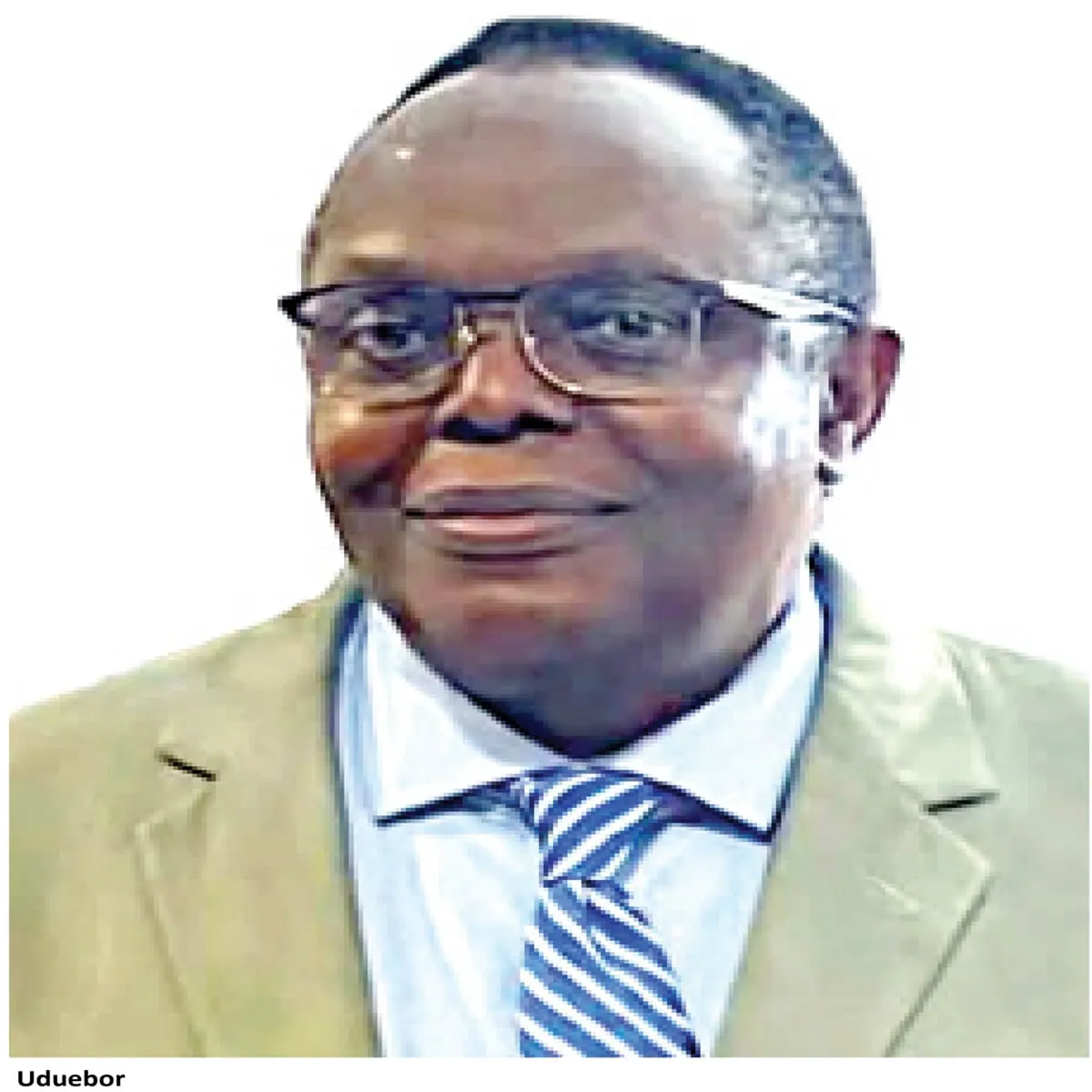
Orianelle Aigbe Uduebor, a Nigerian engineer based in Oakland, California, has expressed his views on the country's progress since the military exit from power in 1999. He notes that the return to democratic governance in 1999 was a major achievement, marking over 25 years of uninterrupted civilian rule. Uduebor highlights several areas of progress, including the institutionalization of democratic governance, telecommunications liberalization, and financial sector reforms. These developments have contributed to Nigeria's growth, but Uduebor emphasizes that there is still unfinished work.
Uduebor points out that despite progress, Nigeria faces significant challenges, including population growth outpacing improvements in income, jobs, electricity, security, education, and healthcare. The country's job creation remains a pressing issue, with millions of young Nigerians entering the labor market every year. He stresses that Nigeria has deepened democracy and recorded major sectoral gains but has not yet converted these gains into broad-based economic transformation. Uduebor's assessment underscores the need for further reforms to address these underlying issues.
According to Uduebor, Nigeria must move from government-driven development to productivity-driven development. He advocates for several key reforms, starting with political and constitutional changes to strengthen institutions. Uduebor emphasizes the need for electoral reform, ensuring that Nigerians believe their votes count, and that political parties become durable institutions. He also calls for public sector reform, fiscal reform, power sector reform, education and healthcare reform, and security sector reform. These changes, he believes, are crucial for Nigeria's progress.
Uduebor highlights the importance of policy consistency, stating that a new government should not abandon every good program simply because a previous government started it. He envisions a Nigeria where hardworking citizens and productive businesses can thrive without needing political connections. The goal, he stresses, is to create an environment conducive to growth and development. Uduebor's suggestions aim to promote a more stable and prosperous Nigeria.
On the Tinubu administration's economic reforms and financial matters, Uduebor acknowledges that some significant changes have occurred. The administration has moved away from longstanding economic practices, including removing fuel subsidy, unifying the foreign-exchange market, and reducing monetary financing of deficits. These reforms, according to Uduebor, represent major policy shifts acknowledged by the IMF and World Bank as important for macroeconomic stability and resilience.
However, Uduebor cautions that reforms can correct distortions before they improve daily life. He notes that subsidy removal and exchange-rate adjustment have raised prices and weakened purchasing power. The real question, he posits, is whether these reforms are creating jobs, lowering inflation, improving infrastructure, attracting investment, and raising living standards. Uduebor emphasizes that while there is evidence of macroeconomic improvement, poverty and household hardship remain serious concerns.
As Nigeria prepares for the 2027 elections, Uduebor stresses that the focus should be on performance, competence, character, and vision. He believes that the next phase of reforms must prioritize the welfare of citizens, creating jobs, and improving living standards. Uduebor's insights offer a nuanced perspective on Nigeria's progress and the challenges ahead, emphasizing the need for sustained reforms and a focus on the well-being of its citizens.
Key points
- Uduebor advocates for electoral reform to ensure Nigerians believe their votes count.