A concerning trend of escalating political intolerance is emerging in Nigeria as the 2027 general elections approach. The Independent National Electoral Commission's lifting of the ban on political campaigns in July 2026 has led to a surge in incendiary remarks, threats, and violence. This disturbing phenomenon has manifested in various forms, including hate speech, sponsored attacks, and killings. The situation has raised concerns about the potential for a peaceful and fair electoral process.
President Bola Ahmed Tinubu's comment that "all is fair in politics" has been cited as setting the tone for this dangerous political culture. The President made this statement while hosting the Catholic Bishops' Conference of Nigeria at Aso Rock Villa in July 2026. His remarks have been seen as condoning the use of aggressive tactics in politics. Other politicians have also made similar statements, which have contributed to the escalation of violence.
Senator Francis Fadahunsi's viral video, in which he directed APC members to "kill" members of Accord, has sparked widespread condemnation. The Senator, representing Osun East, made the statement before the August 15 Osun governorship election. Similarly, the Chairman of Kuje Area Council in the Federal Capital Territory, Samuel Shekwolo, threatened voters not willing to vote for the APC in the 2027 general election to leave the area. These statements have been widely criticized for promoting violence and intimidation.
In Ebonyi State, Governor Francis Nwifuru has threatened to sack Council Chairmen who fail to deliver their councils to the APC. He has turned local government chairmen into political enforcers of narrow interests and partisan political mobilisers. The Governor's threat has been seen as an attempt to coerce council chairmen into supporting the APC. This move has raised concerns about the erosion of democratic institutions and the rule of law.
The violent nature of these inflammatory comments has snowballed into physical attacks. On September 8, the convoy of the Presidential candidate of the Nigeria Democratic Congress, Peter Obi, was blocked on the Gboko-Makurdi expressway. Obi was prevented from proceeding to his destination because he is a rival presidential candidate. This incident has highlighted the level of tension and polarization in the country.
The brutal killing of a renowned social media political commentator in Kano State, Ibrahim Khalil Dan Shagamu, has also been linked to the rising political violence. The killing, which occurred on September 8, has been widely condemned. Muslim and Christian clerics have also been accused of framing the 2027 general elections along Nigeria's religious fault lines. They have attempted to portray the election as a contest between Christians and Muslims and a struggle between ethnic groups.
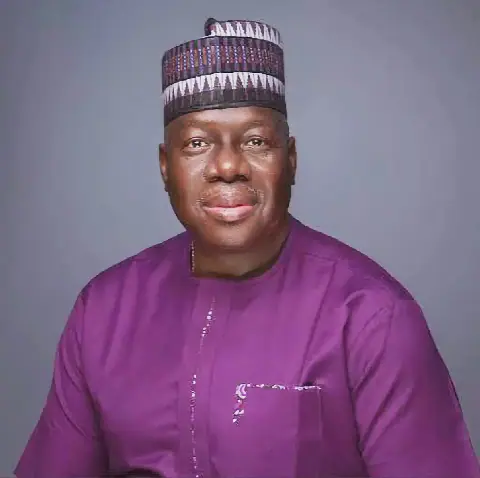
Charles Meribole has condemned the surge in political violence and enjoined the electorate not to be intimidated. He has called for a peaceful and fair electoral process. The situation has raised concerns about the potential for a free and fair election in 2027.
Key points
- President Tinubu's comment that "all is fair in politics" has been cited as setting the tone for the current political culture.
- Various politicians have made inflammatory statements that have contributed to the escalation of violence.
- The situation has raised concerns about the potential for a peaceful and fair electoral process in 2027.