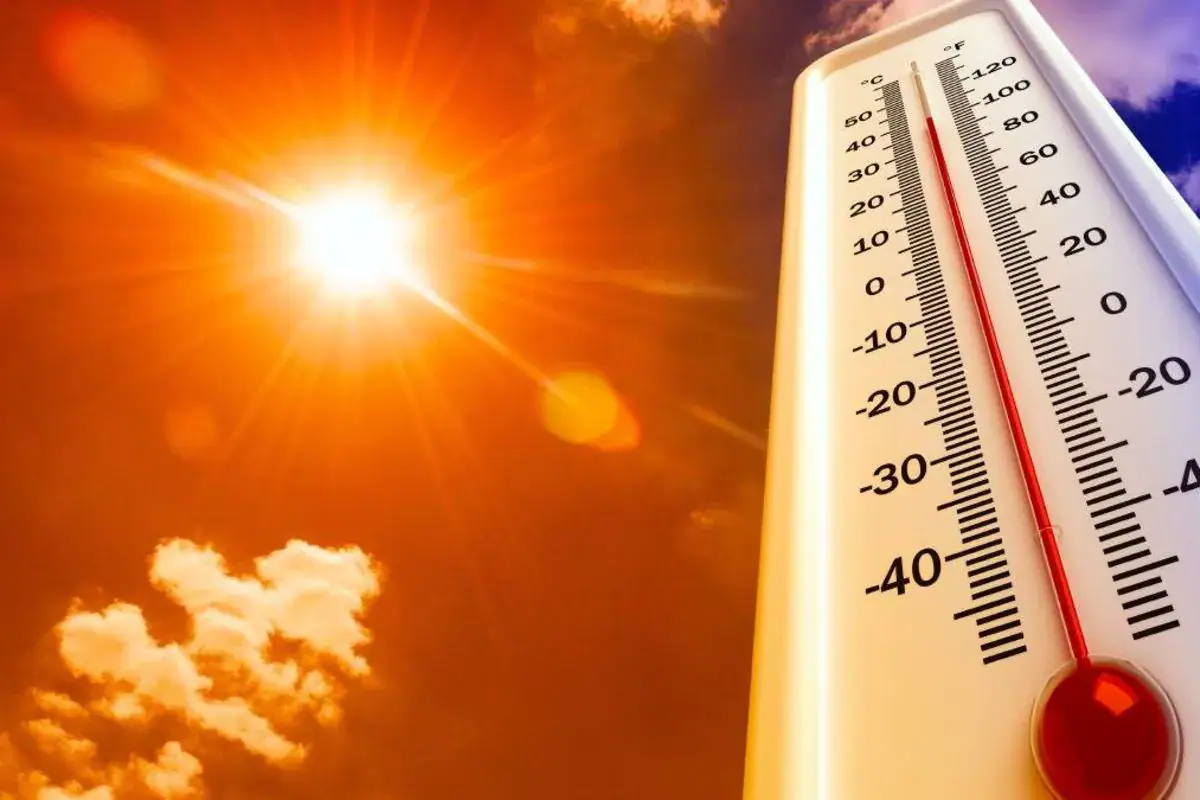
The year 2026 is on track to rank among the four hottest years ever recorded, driven by human-induced climate change and an intensifying El Niño weather pattern. According to a report by the World Meteorological Organisation (WMO), global average surface temperatures between January and September 2026 were about 1.47 degrees Celsius above the pre-industrial average. This warming trend is expected to continue, with temperatures predicted to rise further before the end of the year.
The past 12 years, from 2015 to 2026, are set to be the warmest since records began, with the past four years occupying the top four positions. The WMO report, titled State of the Climate Update 2026, highlights the alarming rate of global warming. El Niño, a natural climate pattern associated with warmer-than-average sea surface temperatures in the tropical Pacific Ocean, has been intensifying since August and is expected to reach record strength by December.
El Niño does not create additional heat but releases heat stored in the ocean, which is already experiencing record temperatures. WMO Secretary-General Celeste Saulo noted that El Niño and the state of the global climate in 2026 are "off the charts." The phenomenon's warming effects could continue into early 2027, increasing the likelihood of extreme heat, drought, and heavy rainfall in different parts of the world.
The report also highlights other worrying climate indicators, including record ocean heat, rising sea levels, melting glaciers, and declining freshwater supplies. The ocean absorbs about 90 percent of the excess heat trapped by greenhouse gases, mainly produced by human activities. Preliminary measurements indicate that 2026 is on track to become the tenth consecutive year of record ocean warmth.
Global sea levels have reached their highest point in the satellite record, which began in 1993. Scientists attribute the rise partly to melting glaciers and ice sheets, as well as the expansion of seawater as it warms. Glacier loss is another major concern, with glaciers losing more than 400 billion tonnes of ice in 2025, equivalent to approximately one millimeter of global sea-level rise.
The report warns that rising temperatures and changing weather patterns are increasing risks to human health, agriculture, food security, and livelihoods. Extreme heat, drought, and heavy rainfall can contribute to heat-related illnesses, poor air quality, food shortages, and the spread of water- and insect-borne diseases. United Nations Secretary-General António Guterres emphasized that vulnerable communities bear the greatest burden of climate extremes.
The WMO report was released on the opening day of the United Nations climate conference, COP31, in Antalya, Türkiye, where countries are discussing measures to address global warming and its effects. The report draws on available climate data up to September 2026 and does not capture the full impact of the latest developments in El Niño. A more comprehensive State of the Global Climate report for 2026 will be published in March 2027.
Key points
- The year 2026 is expected to rank among the four hottest years on record due to human-induced climate change and an intensifying El Niño weather pattern.
- The past 12 years, from 2015 to 2026, are set to be the warmest since records began, with the past four years occupying the top four positions.
- Rising temperatures and changing weather patterns are increasing risks to human health, agriculture, food security, and livelihoods.