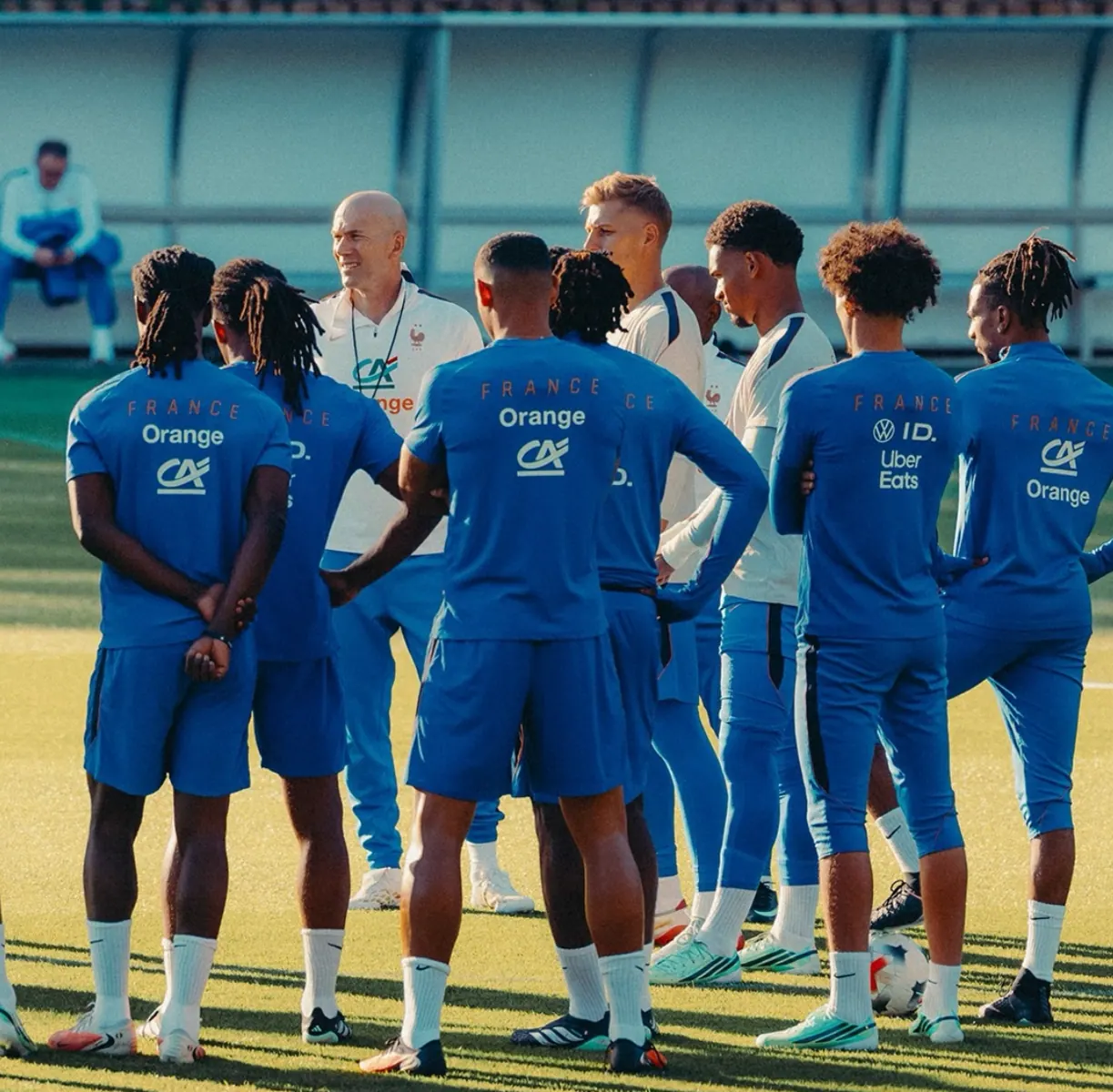
The 2026 World Cup has brought about a significant shake-up in the global football landscape, with 20 out of 48 participating teams opting for new coaches. This move is seen as an attempt to revamp their projects and usher in a new era. Notable names such as Zinedine Zidane, Jurgen Klopp, and Xavi Hernandez are among those taking on new challenges. These changes reflect the teams' desire to make a fresh start and improve their performance.
Zinedine Zidane has taken over as the coach of the French national team, succeeding Didier Deschamps who had a remarkable stint since 2012. Zidane's first task is to prepare the team for upcoming matches against Belgium and Italy. He has already started by calling up new players to the squad. This change marks a new chapter for the French team, and fans are eager to see how Zidane's leadership will impact their performance.
Xavi Hernandez has also taken on a new role as the coach of the Dutch national team, replacing Ronald Koeman. He has expressed his desire to implement a possession-based style of play with a strong attacking approach. His first major test will be against Germany, who are now under the management of Jurgen Klopp. Klopp had initially decided to retire from coaching but changed his mind after Germany's unexpected exit from the tournament.
Roberto Mancini has returned to coaching, taking over as the manager of the Italian national team. Other notable changes include Rafael Marquez taking over as the coach of Mexico and Patrick Vieira and Marcelo Gallardo being appointed as the coaches of Senegal and Ecuador respectively. These changes reflect the teams' desire to bring in fresh perspectives and improve their performance.
In Africa and the Arab world, several teams have also undergone coaching changes. Algeria, Tunisia, Jordan, South Africa, and Cape Verde have all appointed new coaches. Notably, Jamal Sellami has taken over as the coach of Jordan, replacing Badou Zaki. Uruguay has appointed Diego Forlan as the interim coach of their national team.
These changes mark a significant shift in the global football landscape as teams prepare for upcoming tournaments. The appointment of high-profile coaches is expected to bring new ideas and approaches to the teams. Fans will be eagerly watching to see how these changes impact the teams' performance in future competitions.
The changes also reflect the ever-evolving nature of football, where teams are constantly looking for ways to improve and gain a competitive edge. With the 2026 World Cup serving as a catalyst for these changes, teams are expected to approach future tournaments with renewed energy and determination.
Key points
- 20 teams have appointed new coaches following the 2026 World Cup.
- Notable coaches such as Zidane, Klopp, and Xavi have taken on new challenges.
- The changes reflect teams' desires to revamp their projects and improve their performance.