The Kenya Medical Training College (KMTC) has revealed that approximately 20,000 students placed in its campuses through the Kenya Universities and Colleges Central Placement Service (KUCCPS) fail to take up their admission slots every intake cycle. This is primarily due to the inability of prospective students to afford training fees. As a result, many financially disadvantaged candidates are forced to abandon their dreams of joining the medical workforce.
The issue arises from KMTC operating under the Ministry of Health rather than the Ministry of Education, which oversees the country's higher education financing arrangements. This means that KMTC students are excluded from accessing the national higher education financing package and main student loans (HELB), leaving families to shoulder prohibitive costs. KMTC Chief Executive Officer Dr. Kelly Oluoch stated that the institution must remain under the Ministry of Health due to the specialized nature of its curriculum.
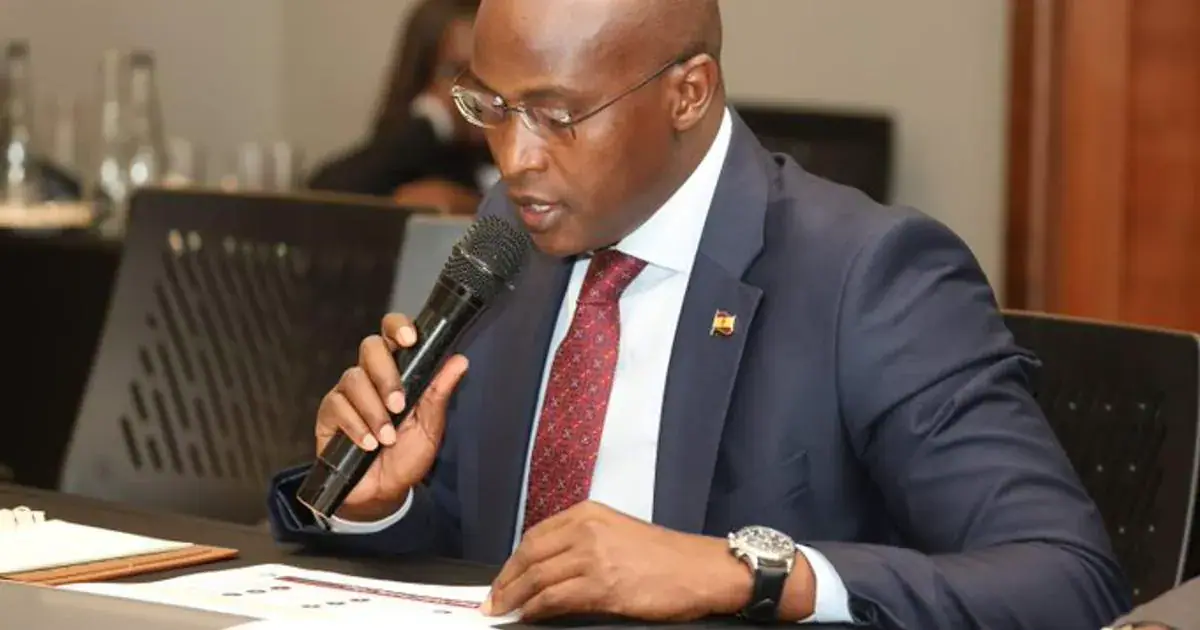
Dr. Oluoch appeared before the National Government Constituencies Development Fund (NG-CDF) Committee in Parliament, where he outlined the systemic disconnect that leaves KMTC trainees out of the national funding framework. He explained that KMTC should not have to leave the Ministry of Health to get funded and proposed that national financing legislation should recognise KMTC trainees as post-secondary students deserving equitable state funding.
The magnitude of the 20,000 unclaimed admission slots becomes starkly apparent when compared against KMTC's overall capacity. In recent cycles, KUCCPS reported thousands of available vacancies across dozens of specialized programmes and numerous campuses nationwide. Despite placement agencies previously noting government efforts to extend HELB support to KMTC applicants, the financial reality on the ground remains prohibitive for most families.
The exclusion of KMTC students from government funding hits the wider health sector hard. Dr. Oluoch highlighted that KMTC currently hosts nearly 90,000 students and trains over 85% of Kenya's healthcare workforce. Crippling the training pipeline at this foundational level directly threatens the nation's long-term healthcare staffing goals.
Lawmakers and institutional heads are actively debating structural reforms to resolve the funding stalemate. Kitutu Masaba MP Clive Gisairo proposed that KUCCPS introduce a clear warning on its application portal, informing prospective KMTC students that courses currently operate under self-sponsored terms and do not automatically attract government funding. Dr. Oluoch proposed housing the planned Tertiary Education Funding Authority (TEFA) directly under the National Treasury.
The issue has sparked a wider conversation about the need for equitable funding for medical students. With KMTC playing a critical role in training Kenya's healthcare workforce, finding a solution to the funding challenge is essential. The proposed reforms aim to address the systemic issues that have led to the forfeiture of medical career placements by thousands of students every year.
Key points
- Financial constraints force 20,000 students to forfeit medical career placements at KMTC every year.
- KMTC students are excluded from accessing the national higher education financing package and main student loans (HELB) due to its affiliation with the Ministry of Health.
- Proposed reforms aim to address the systemic issues that have led to the forfeiture of medical career placements by thousands of students every year.