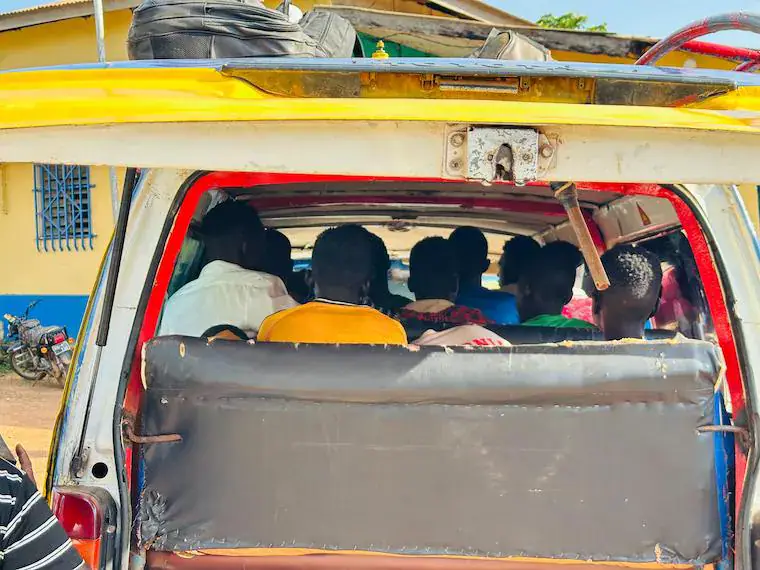
On November 6, 2026, 16 Burkinabé nationals, including several minors and one woman, were intercepted at the Guinea-Côte d'Ivoire border as they attempted to return to their home country. The group, which included individuals as young as 15 years old, had been engaging in clandestine artisanal gold mining in the locality of Boola, in the Beyla prefecture of Guinea. According to reports, they were trying to cross into Côte d'Ivoire when they were stopped by authorities.
The intercepted individuals were part of a larger group that had been working in a village called Baladougou, located in the Boola area. Sawadogo Prospère, a Burkinabé national who was accompanying the group, stated that they had left Boola after the Guinean authorities formally prohibited clandestine gold mining. Prospère, who does not speak French fluently, had agreed to guide the group back to their home country.
The group consisted of 16 Burkinabé nationals, plus Prospère and his wife, who were in Guinea for a short visit. Prospère's wife and he had valid travel documents, but they chose to return with the group after authorities refused to allow the minors and undocumented individuals to proceed. Prospère expressed concern for the well-being of the young people, who were vulnerable and without proper guidance.
The intercepted Burkinabé nationals were handed over to the Nzérékoré regional police department. Guinean authorities were informed of the situation and took steps to facilitate the group's return to Burkina Faso. Prospère stated that the young people had been working in Baladougou, but he did not know the duration of their stay.
Prospère and his wife had traveled to Guinea for a short visit, but they decided to stay with the group when they were refused passage. He explained that he could not leave the minors to fend for themselves, as they did not speak French and were without proper documentation.
The situation highlights the risks faced by young people engaging in clandestine mining activities in Guinea. Prospère appealed to Burkinabé authorities to provide better support and guidance to these young individuals, encouraging them to pursue education rather than risking their lives in hazardous working conditions.
The 16 Burkinabé nationals are currently in the care of Nzérékoré authorities, and arrangements have been made for their return to Burkina Faso. Sawadogo Prospère's actions demonstrate a sense of responsibility and compassion for the well-being of his fellow nationals, particularly the minors who were vulnerable and in need of guidance.
Key points
- The group of Burkinabé nationals, including minors, was intercepted while attempting to return to their home country after engaging in clandestine gold mining in Guinea.