Fourteen local urban authorities in Eswatini are being equipped with Drought Management Plans to boost their resilience to severe dry spells. The plans are part of a World Bank-funded water and sanitation initiative that aims to help towns and cities anticipate, prepare for, and recover from droughts. This initiative focuses on strengthening institutional coordination, early warning systems, and risk planning for drought.
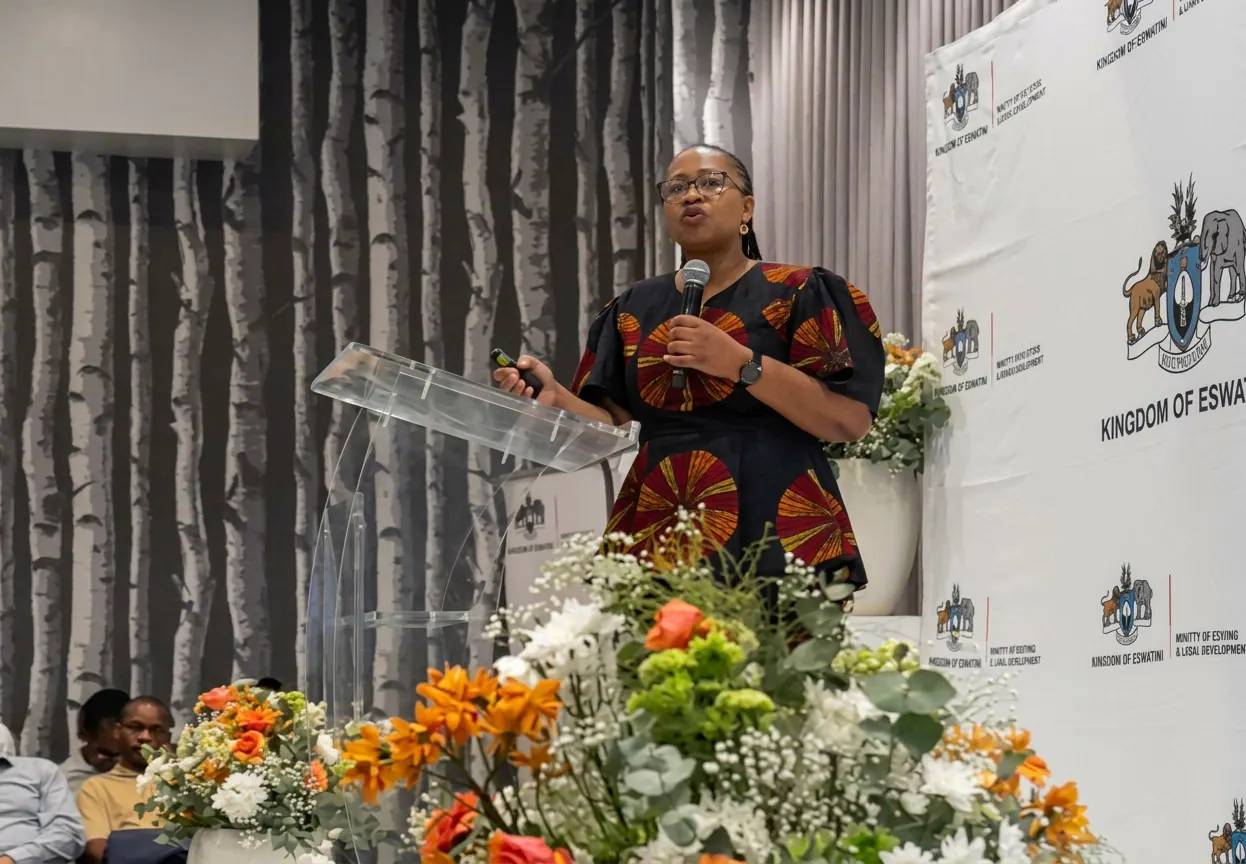
The launch of the plans took place at the Hilton Garden Inn, with the National Disaster Management Agency (NDRMA) Project Manager, Gcebile Dlamini, emphasizing the importance of the project. She noted that the initiative combines scientific data with community participation to identify and monitor climate risks before they escalate into crises. This approach enables local authorities to take proactive measures against drought.
The Drought Management Plans are designed to help local authorities move away from reactive crisis management towards proactive, long-term water security planning. The plans provide data-driven tools to identify specific drought risks, protect public water supplies, and safeguard critical municipal infrastructure. This is expected to enhance the resilience of urban populations and critical infrastructure in Eswatini.
The plans assess risks associated with four major hazards and identify vulnerable urban populations, their exposure, and existing coping mechanisms. Gcebile Dlamini highlighted that the programme involves ground-truthing, using trained volunteers referred to as citizen scientists, to verify information gathered through scientific monitoring. This ensures that the data used for planning is accurate and reliable.
The World Bank-funded initiative aims to improve drought preparedness and response in Eswatini. By strengthening institutional coordination and early warning systems, the initiative seeks to reduce the impact of droughts on communities. The use of the Composite Drought Index (CDI) will support timely action against drought.
The newly developed drought profiles will enable local authorities to make informed decisions about water resource management and drought mitigation strategies. This is expected to improve the overall resilience of urban areas in Eswatini to climate-related shocks. The initiative is part of a broader effort to enhance water security and sustainable development in the country.
The implementation of the Drought Management Plans marks a significant step towards enhancing drought resilience in Eswatini's urban areas. The plans will help local authorities to better prepare for and respond to droughts, ultimately reducing the risks associated with these climate-related events. The initiative is expected to have a positive impact on the lives of urban residents and the overall development of the country.
Key points
- Eswatini's 14 urban authorities receive drought management plans to enhance preparedness for climate shocks under a World Bank-funded initiative.