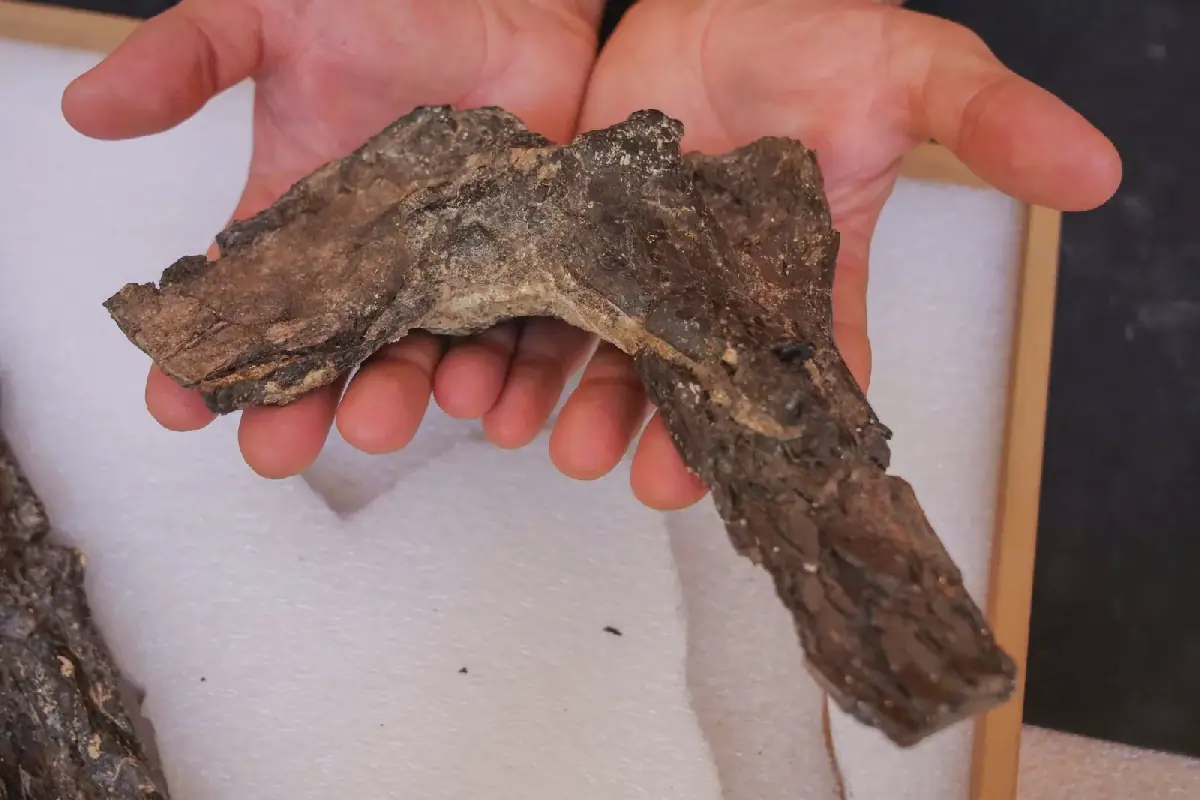
Researchers have discovered microscopic structures resembling red blood cells inside the leg bone of a dinosaur that lived in Brazil approximately 115 million years ago. The structures, found inside tiny channels in the fossilized bone, were oval-shaped and similar in appearance to red blood cells. The dinosaur, an Aratasaurus from the theropod group, was around four years old and measured 3.1 metres in length and weighed about 34 kilograms.
To confirm the biological origin of the structures, researchers detected chemical signatures of heme within the structures. Heme is the iron-containing component of haemoglobin, the protein responsible for enabling red blood cells to transport oxygen throughout the body. The combination of microscopic appearance, location, and chemical composition provides compelling evidence that the structures represent fossilized red blood cell remains.
The bone was discovered in northeastern Brazil in 2008, and previous research suggests that the dinosaur was still young when it died. Inside the channels that once carried blood vessels through its limb bones, researchers identified numerous oval structures measuring an average of approximately 23 micrometres in length and 20 micrometres in width. Their location was particularly significant, as the structures were found within the spaces once occupied by blood vessels.
The researchers employed several independent microscopic and chemical techniques to examine the structures and establish whether they contained traces of ancient biological material. The analyses detected iron, carbon, and nitrogen, elements associated with heme. More detailed chemical testing subsequently revealed the presence of heme B, along with another compound believed to have formed as heme underwent chemical changes after burial.
The researchers also found that the chemical signature of heme inside the bone differed from the substances detected in the microbial layer surrounding the fossil. That surrounding material contained compounds derived from chlorophyll, making it less likely that the heme-related signals originated from the surrounding sediments. The team also examined alternative explanations for the microscopic structures but found no evidence that they were fungi or microbial colonies.
The researchers believe that the conditions surrounding the dinosaur’s burial played an important role in preserving the biological material. The bone was surrounded by a microbe-rich layer in an environment with limited oxygen, conditions that may have slowed the breakdown of organic substances and helped preserve some of their chemical components. The presence of hausmannite, a manganese-rich mineral, within the structures resembling red blood cells may have helped stabilise the cellular remains.
The discovery provides new evidence that traces of biological molecules can survive in fossils for extraordinary periods. It also highlights the importance of combining microscopic and chemical techniques to distinguish ancient biological remains from substances introduced through geological processes or microbial activity after burial. According to Kliti Grice, professor of geochemistry at the Western Australian Organic and Isotope Geochemistry Centre at Curtin University, the findings do not mean that intact dinosaur blood or complete red blood cells have survived.
Key points
- The discovery of 115-million-year-old red blood cells in a dinosaur fossil from Brazil provides strong evidence that traces of blood-related biological material can survive in fossils for millions of years.
- The researchers used a combination of microscopic and chemical techniques to confirm the biological origin of the structures found in the fossil.
- The conditions surrounding the dinosaur’s burial, including a microbe-rich layer and limited oxygen, may have helped preserve the biological material.
Reporting sources
- Traces of 115-million-year-old red blood cells found in dinosaur bone · Daily News Egypt