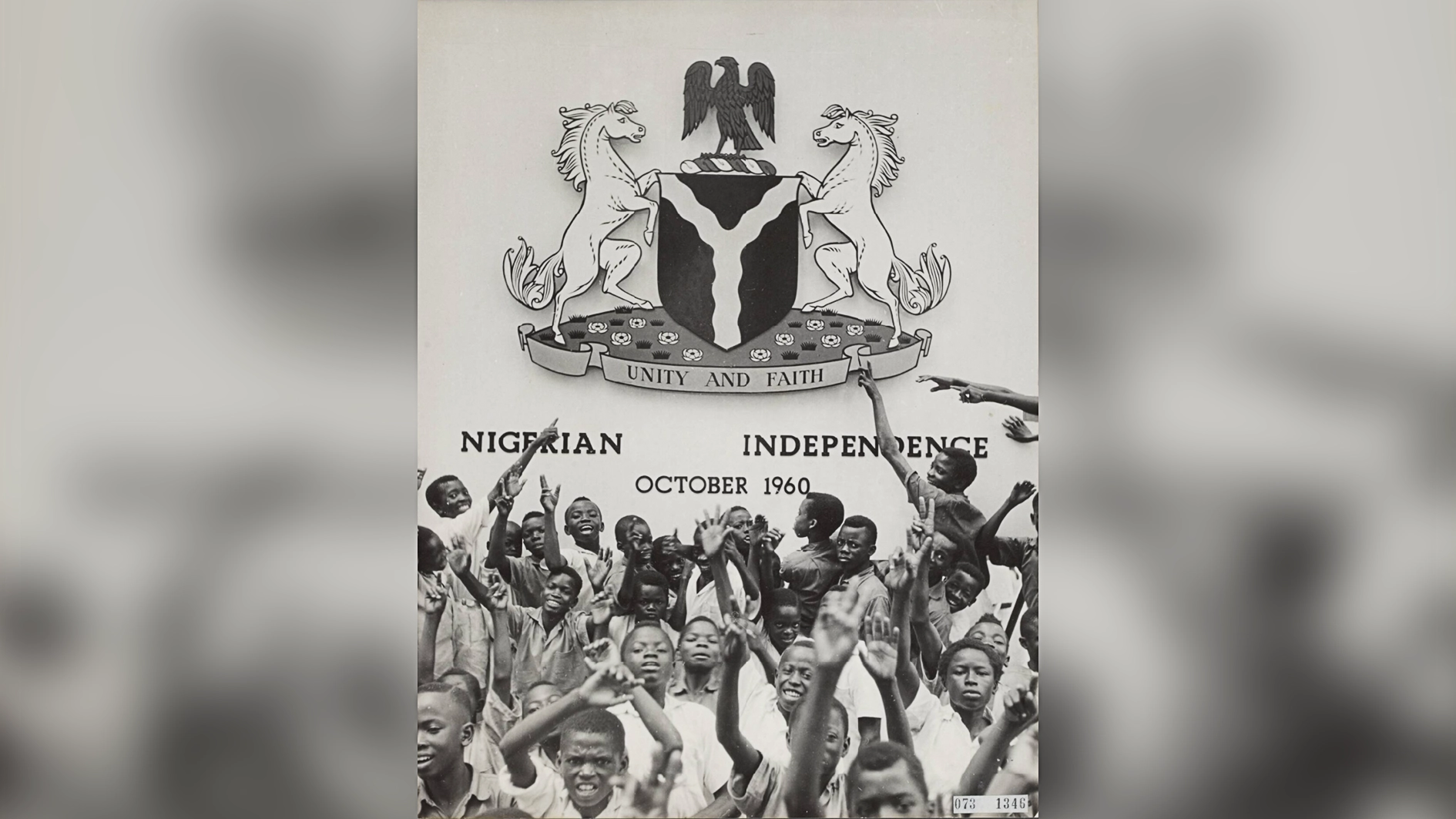
Every year on October 1, Nigeria comes alive with green and white decorations, flags, and celebrations. The country's independence from British colonial rule is commemorated with great enthusiasm. However, there is more to Nigeria's Independence Day than the familiar images of flag-raising ceremonies. The journey to independence was a long and complex process involving decades of nationalist agitation, constitutional negotiations, and political compromise.
The Federal Palace Hotel in Lagos played a significant role in Nigeria's independence celebrations in 1960. The hotel's Independence Hall hosted events connected to the celebrations, while the actual independence ceremony took place at Lagos Race Course, now known as Tafawa Balewa Square. It was at this venue that the British flag was lowered, and Nigeria's flag was raised.
Jaja Anucha Wachuku, the first indigenous Speaker of Nigeria's House of Representatives, received Nigeria's Instrument of Independence during the celebrations. Princess Alexandra of Kent, representing Queen Elizabeth II, formally presented the document to Wachuku. This moment marked the official transfer of authority from Britain to Nigeria.
The independence celebrations were grand and costly, with approximately £1 million allocated for the events. This significant amount reflected the importance of the occasion both locally and internationally. The celebrations involved hosting foreign dignitaries, Commonwealth representatives, and international journalists.
Rosemary Nkem Anieze, crowned Miss Nigeria 1960, became known as Miss Independence. Her victory coincided with Nigeria's independence, and she symbolized the excitement and promise of a newly independent nation. Anieze went on to build a successful career in broadcasting and television.
The independence festivities sparked debate about who should provide entertainment for the celebrations. Many Nigerian musicians argued that local performers should be given the opportunity to headline the country's most important national celebration. Victor Olaiya, a legendary highlife trumpeter, performed at the Independence State Ball in Lagos, demonstrating the link between music and nation-building.
The celebrations continued beyond October 1, with one of the most important follow-up events occurring on October 3, 1960, when Nigeria's first federal Parliament was formally opened by Princess Alexandra on behalf of Queen Elizabeth II. Nigeria's independence marked the beginning of a broader transition into nationhood, and the country rapidly established itself within the international community.
Key points
- Nigeria gained independence from British colonial rule on October 1, 1960.
- The independence celebrations cost approximately £1 million.
- Nigeria did not become a republic immediately after independence, remaining a constitutional monarchy within the Commonwealth until October 1, 1963.