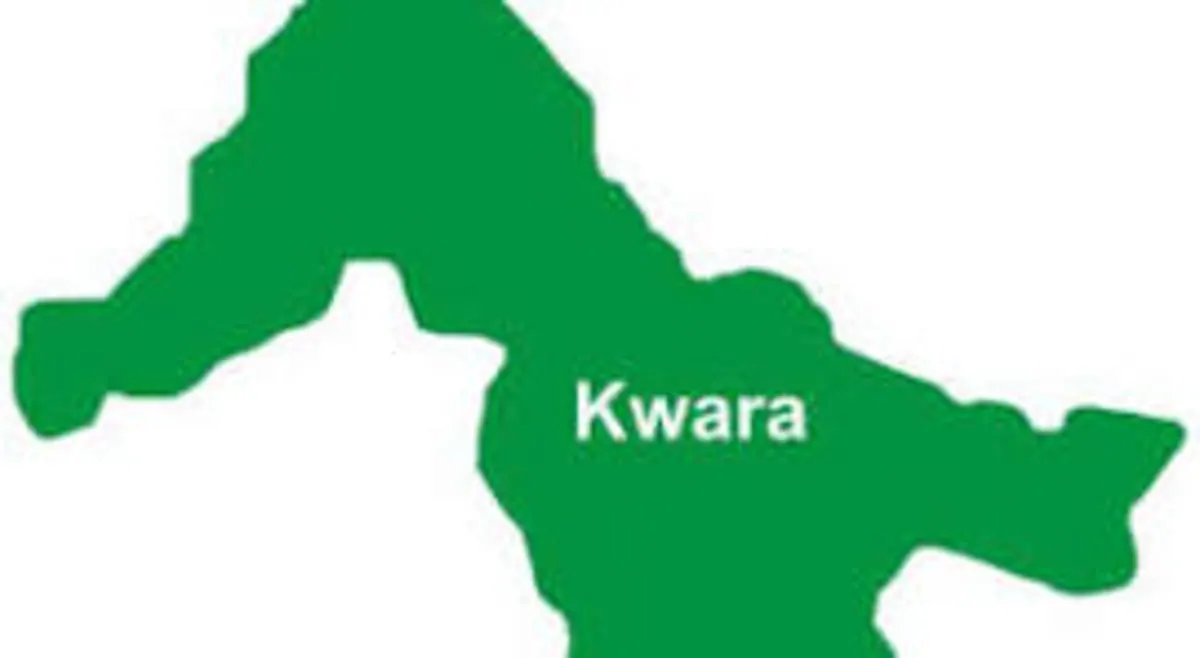
A recent review of the EU-SARAH partnership in Kwara has revealed that approximately 10,000 residents have accessed healthcare services free of charge under an EU-supported health intervention. The intervention, which also reached 35,796 people through community mobilisation, generated 12,264 referrals to health facilities. These figures were presented during a review of the partnership, which focused on progress recorded and measures to sustain gains through stronger state financing and improved coordination.
The Kwara State Commissioner for Health, Dr Amina Ahmed El-Imam, disclosed that the state's budget allocation to health had increased significantly, rising from about 4% to 15% in 2026. Although budget releases were not always 100%, actual releases had increased year-on-year over the past seven years. El-Imam stated that the state was working towards a partnership model based on mutual contribution rather than prolonged dependence on external support.
The Director of Public Health at the Kwara State Ministry of Health, Dr Oluwatosin Fakayode, presented the programme's results, highlighting that 35,796 people were reached through community mobilisation, resulting in 12,264 referrals to health services. In addition to providing free healthcare services to 10,000 people, the programme deployed 100 community midwives, expanded nursing training, and supported family planning initiatives.
The programme has also supported the state's efforts to improve health data and transition from paper-based to digital health systems. According to Fakayode, the state is increasingly using health data to guide decision-making and target areas requiring greater attention. Ilorin and Moro local government areas were identified as areas of particular concern due to their contribution to maternal mortality.
The Head of Partnerships at the EU Delegation to Nigeria and ECOWAS, Massimo De Luca, welcomed the state's increased commitment to health financing and stressed the importance of strong systems, accountability, and local ownership in sustaining development gains. De Luca noted that EU engagement in Kwara extended beyond health to areas including energy, skills, agriculture, and peace and security.
The review also featured the perspectives of young people, with Fauziyyah Alaaya, the representative of adolescents in Kwara and Speaker of the State's Children's Parliament, welcoming their inclusion in health interventions. Alaaya called for continued participation of young people in the state's health response, stressing the need for timely action as the population becomes increasingly youthful.
The review reinforced the need for stronger domestic financing, improved health systems, and greater local ownership to sustain gains recorded through development cooperation in Kwara State. The EU-supported health intervention has made significant progress, but sustaining these gains will require continued commitment and investment from the state and other stakeholders.
Key points
- 10,000 Kwara residents accessed free healthcare services under the EU-supported intervention
- The state's budget allocation to health increased from 4% to 15% in 2026
- The programme supported the state's efforts to improve health data and transition to digital health systems